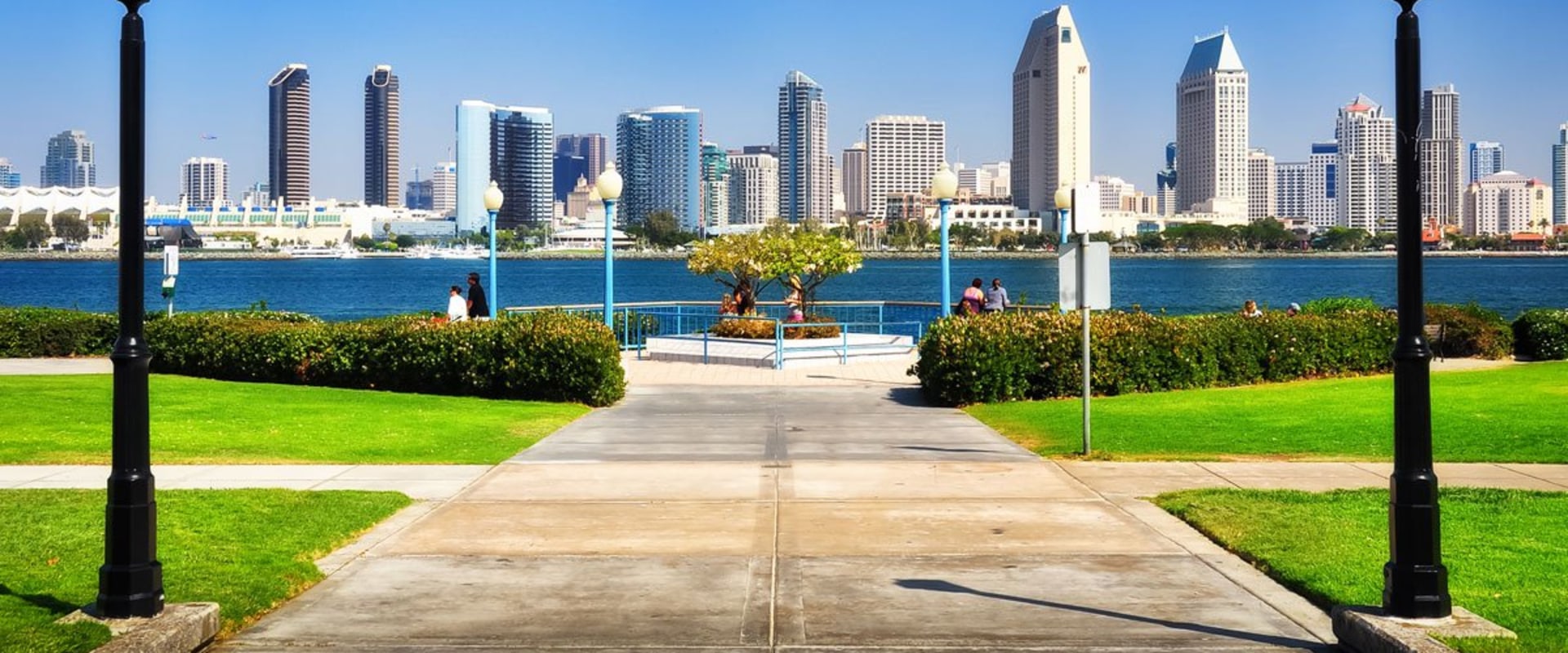
San Diego, a vibrant coastal city located in the southernmost part of California, is renowned for its stunning beaches, diverse culture, and rich history. Nestled along the Pacific Ocean, this city serves as a gateway to both the United States and Mexico, sharing a border with Tijuana. With a population of nearly 1.3 million residents, San Diego stands as the second-largest city in California and the eighth-largest in the entire United States. Its geographical location not only enhances its appeal as a tourist destination but also positions it as a significant economic hub in the region.The city's landscape is characterized by rolling hills, picturesque coastlines, and a mild Mediterranean climate that attracts visitors year-round.
From the iconic Balboa Park, home to world-class museums and gardens, to the bustling Gaslamp Quarter filled with restaurants and nightlife, San Diego offers a unique blend of urban sophistication and natural beauty. The city's proximity to the ocean provides ample opportunities for outdoor activities such as surfing, sailing, and hiking in nearby canyons and mountains.In addition to its recreational offerings, San Diego is also recognized for its thriving business environment. The city has become a focal point for various industries including biotechnology, telecommunications, and tourism. As businesses increasingly seek to establish an online presence, San Diego SEO has emerged as a vital component for local companies aiming to enhance their visibility in search engine results.
This growing emphasis on digital marketing reflects the city's commitment to innovation and economic growth.Overall, San Diego is not just a beautiful place to visit; it is a dynamic city that embodies the spirit of California. Its unique blend of cultural diversity, economic opportunity, and breathtaking scenery makes it an attractive destination for both residents and tourists alike. Whether you are exploring its historic sites or enjoying its culinary delights, San Diego promises an unforgettable experience.
Geographical Location of San Diego
San Diego is strategically located in the southwestern corner of California, making it a significant coastal city not only within the state but also in the broader context of the United States. It lies approximately 120 miles south of Los Angeles and about 20 miles north of the U.S.-Mexico border, specifically adjacent to Tijuana, Mexico. This unique positioning allows San Diego to serve as a vital gateway for trade and cultural exchange between the two nations.The city is bordered by the Pacific Ocean to the west, providing it with stunning beaches and a vibrant maritime economy. To the east, the landscape transitions into the rugged terrain of the Cuyamaca and Laguna Mountains, which rise dramatically and offer a stark contrast to the coastal plains. These mountains not only contribute to San Diego's scenic beauty but also play a crucial role in its climate, creating microclimates that vary significantly across different areas of the city.In terms of geography, San Diego encompasses a diverse range of ecosystems, from coastal wetlands and sandy beaches to mountainous regions and desert landscapes.
The San Diego Bay , one of the largest natural harbors in the world, is a focal point for both military and commercial shipping activities. The bay is surrounded by several neighborhoods, each with its own unique character and charm.For those looking at a map of San Diego , you will notice that the city is divided into various districts and neighborhoods, each offering distinct attractions and amenities. Key areas include:
- Downtown San Diego: The urban core featuring skyscrapers, restaurants, and cultural institutions.
- La Jolla: Known for its upscale shopping, dining, and beautiful coastline.
- Balboa Park: A massive urban park that houses museums, gardens, and the famous San Diego Zoo.
- Mission Valley: A central area known for shopping centers and recreational opportunities along the river.
The city is home to a large Hispanic population, which contributes to its vibrant festivals, culinary scene, and community events. This blend of cultures makes San Diego a unique place to live and visit.In summary, understanding the geographical location of San Diego is essential for appreciating its role as a major urban center in California. Its diverse landscapes, strategic position near international borders, and rich cultural heritage make it an attractive destination for residents and tourists alike.
Historical Background of San Diego
San Diego's history is a tapestry woven from the threads of indigenous cultures, European exploration, and modern urban development. Long before European settlers arrived, the area was inhabited by the Kumeyaay people, who thrived on the region's rich natural resources.Their deep connection to the land is evident in the numerous archaeological sites scattered throughout the area, which provide insight into their way of life, traditions, and social structures.The first European contact came in 1542 when Spanish explorer Juan Rodríguez Cabrillo sailed into San Diego Bay, claiming the area for Spain. However, it wasn't until 1769 that a permanent settlement was established with the founding of Mission San Diego de Alcalá by Father Junípero Serra. This mission marked the beginning of a significant Spanish presence in California and served as a base for further exploration and missionary work.Throughout the late 18th and early 19th centuries, San Diego evolved from a mission outpost into a bustling town. The establishment of Fort Stockton in 1846 during the Mexican-American War solidified its military importance.
Following California's admission to the United States in 1850, San Diego was officially incorporated as a city in 1850, becoming one of California's first municipalities.As the city grew, so did its significance as a commercial hub. The arrival of the railroad in 1885 connected San Diego to the rest of California and spurred economic growth. This period also saw the development of iconic landmarks such as Balboa Park, which was established for the 1915 Panama-California Exposition and remains a cultural centerpiece today.In the 20th century, San Diego's strategic location made it a focal point for military operations during both World Wars. The establishment of several naval bases transformed the city into a major military center, contributing significantly to its economy and population growth.Today, San Diego is celebrated not only for its stunning coastal views and vibrant culture but also for its rich historical legacy.
Visitors can explore numerous historical sites, including Old Town San Diego State Historic Park, which showcases life in early California, and Cabrillo National Monument, commemorating Cabrillo's landing.As we reflect on San Diego's past, it becomes clear that its history is not just about dates and events; it is about the people who have shaped this city into what it is today—a diverse urban center with deep roots in both indigenous heritage and colonial history.
Cultural Significance and Diversity in San Diego
San Diego is a melting pot of cultures, reflecting a rich tapestry of traditions and communities that contribute to its unique identity. The city's proximity to the Mexican border has significantly influenced its cultural landscape, creating a vibrant blend of Mexican and American traditions. This fusion is evident in the local cuisine, music, art, and festivals that celebrate the diverse heritage of its residents.One of the most notable aspects of San Diego's cultural diversity is its thriving Hispanic community , which makes up a significant portion of the population. This community plays a vital role in shaping the city's cultural events, such as Día de los Muertos (Day of the Dead) celebrations, where families honor their deceased loved ones with colorful altars, traditional foods, and vibrant decorations.The annual Chicano Park Day also showcases the rich history and contributions of the Chicano community through art, music, and dance.In addition to Hispanic influences, San Diego is home to a variety of other cultural groups, including Asian , African American , and Pacific Islander communities. Each group brings its own traditions and celebrations to the city. For instance, the San Diego Asian Film Festival highlights the works of Asian filmmakers and promotes cultural understanding through cinema. Similarly, the African American Festival celebrates African American culture with music, food, and art exhibitions.The city also hosts numerous festivals throughout the year that reflect its diverse cultural heritage.
Events like the San Diego Pride Parade, one of the largest pride celebrations in the country, promote inclusivity and acceptance while celebrating LGBTQ+ culture. The San Diego International Film Festival attracts filmmakers and audiences from around the world, showcasing a wide range of cinematic works.The arts scene in San Diego is equally vibrant, with numerous galleries, theaters, and museums that celebrate both local and international artists. The Balboa Park , home to several museums and performing arts venues, serves as a cultural hub where visitors can experience everything from fine art to live performances.This rich cultural diversity not only enhances San Diego's social fabric but also contributes to its economic vitality. By embracing various traditions and communities, San Diego continues to evolve as a dynamic city that celebrates its past while looking forward to a bright future.
Economic Landscape of San Diego
The economic landscape of San Diego is a vibrant tapestry woven from various industries that contribute significantly to the region's growth and prosperity.With a population exceeding 1.3 million, San Diego stands as the second-largest city in California and the eighth-largest in the United States, making it a crucial economic hub.One of the most prominent sectors driving the San Diego economy is tourism. The city attracts millions of visitors each year, drawn by its stunning beaches, world-class attractions like Balboa Park and the San Diego Zoo, and a mild climate that is ideal for year-round outdoor activities. This influx of tourists not only supports local businesses but also creates numerous job opportunities in hospitality, retail, and entertainment.Another cornerstone of San Diego's economy is its robust military presence. Home to several major military installations, including Naval Base San Diego and Marine Corps Air Station Miramar, the defense sector plays a vital role in providing jobs and stimulating local businesses.
The military's economic impact extends beyond direct employment; it also fosters a network of contractors and suppliers that support defense operations.In recent years, the technology sector has emerged as a significant player in San Diego's economic landscape. The city is recognized as a growing tech hub, particularly in biotechnology, telecommunications, and software development. Companies like Qualcomm have established their headquarters here, contributing to innovation and attracting talent from across the nation.Despite these strengths, San Diego faces economic challenges. The high cost of living and housing affordability remain pressing issues for residents.
Additionally, while the job market is diverse, certain sectors may experience fluctuations based on economic conditions or technological advancements.In conclusion, San Diego's economy is characterized by its diverse industries, with tourism, military presence, and technology at the forefront. As the city continues to evolve, addressing economic challenges while leveraging its strengths will be crucial for sustaining growth and enhancing job opportunities for its residents.
Tourist Attractions and Activities in San Diego
San Diego is a vibrant city that offers a plethora of tourist attractions and activities, making it a prime destination for visitors of all ages. From stunning beaches to world-class museums, there is something for everyone in this coastal paradise.Beaches
are undoubtedly one of San Diego's main draws. With over 70 miles of coastline, visitors can enjoy sunbathing, surfing, and beach volleyball at popular spots like Mission Beach, Pacific Beach, and La Jolla Shores.
Each beach has its unique charm; for instance, La Jolla is famous for its picturesque coves and sea caves, where you can often spot seals and sea lions basking in the sun.For those who appreciate nature, Balboa Park is a must-visit. This expansive urban park is home to numerous gardens, walking trails, and cultural institutions. Within the park, you can explore the San Diego Zoo, renowned for its conservation efforts and diverse animal exhibits. The zoo features over 3,500 animals representing more than 650 species, making it one of the largest and most visited zoos in the world.
Museums
abound in San Diego, particularly in Balboa Park.
The San Diego Museum of Art, Fleet Science Center, and Natural History Museum are just a few highlights that cater to various interests. Each museum offers unique exhibits that educate and entertain visitors.If you're looking for a taste of local culture, consider visiting the historic Old Town San Diego State Historic Park. This area showcases the rich history of California's early days with preserved buildings, shops, and restaurants that reflect the Mexican heritage of the region.
Events
also play a significant role in San Diego's appeal. The city hosts numerous festivals throughout the year, including the famous Comic-Con International, which attracts fans from around the globe.
Additionally, summer concerts at Civic Theatre and outdoor movie nights at various parks provide entertainment options for all.No visit to San Diego would be complete without exploring its vibrant neighborhoods. Areas like Gaslamp Quarter , known for its nightlife and dining options, and Little Italy , famous for its authentic Italian cuisine, offer unique experiences that showcase the city's diverse culture.In summary, whether you're lounging on the beach, exploring museums, or indulging in local cuisine, San Diego is filled with exciting things to do. Its blend of natural beauty and cultural richness makes it one of the best places to visit in California.
Transportation and Accessibility in San Diego
San Diego, known for its stunning coastline and vibrant culture, offers a variety of transportation options that cater to both residents and visitors. Understanding how to navigate this sprawling city is essential for making the most of your time here.Public Transportation
The San Diego Metropolitan Transit System (MTS) operates an extensive network of buses and trolleys that connect various neighborhoods and attractions throughout the city.
The trolley system, in particular, is a popular choice for tourists, as it provides easy access to key areas such as:
- Downtown San Diego
- Old Town
- Mission Valley
- San Diego State University
- Border Station at San Ysidro
Major Highways
For those who prefer to drive, San Diego is well-connected by a network of major highways. The most significant routes include:
- Interstate 5 (I-5): This highway runs along the coast, linking San Diego to Los Angeles to the north and Tijuana to the south.
- Interstate 8 (I-8): Stretching eastward, I-8 connects San Diego to Imperial County and beyond.
- Interstate 15 (I-15): This route heads northeast towards Temecula and eventually Las Vegas.
- Interstate 805 (I-805): A vital connector that runs parallel to I-5, providing access to various neighborhoods.
Airport Access
San Diego International Airport (SAN), located just a few miles from downtown, serves as the primary gateway for air travel. The airport offers numerous domestic and international flights, making it accessible for travelers from around the globe. Ground transportation options from the airport include:
- Taxis and Rideshares: Easily available at designated pick-up areas.
- Airport Shuttles: Various shuttle services operate between the airport and local hotels.
- MTS Bus Services: Public buses connect the airport with the broader transit system.
Whether you choose public transit, drive your own vehicle, or fly into SAN, you'll find that navigating San Diego is both convenient and efficient.
The Role of SEO in Promoting San Diego Businesses
In the vibrant business landscape of San Diego, leveraging SEO strategies is essential for companies aiming to enhance their online visibility and attract local customers. With a diverse economy that includes tourism, technology, and healthcare, businesses must adopt tailored San Diego SEO strategies to stand out in a competitive market.One of the most effective approaches is to focus on local SEO. This involves optimizing your online presence to ensure that your business appears prominently in local search results. Here are some key tactics:- Google My Business: Claiming and optimizing your Google My Business listing is crucial.
Ensure that your business information is accurate, including your address, phone number, and operating hours. Regularly update your profile with posts, photos, and customer reviews to engage potential clients.
- Local Keywords: Incorporate local keywords into your website content. Phrases like "best tacos in San Diego" or "San Diego SEO services" can help attract customers searching for specific services in the area.
- Localized Content: Create content that resonates with the local audience. Blog posts about San Diego events, attractions, or community news can position your business as a local authority and improve search rankings.
- Citations and Backlinks: Build citations by listing your business in local directories and obtaining backlinks from reputable San Diego websites.
This not only boosts your credibility but also enhances your search engine ranking.
Emphasizing local engagement and optimizing for search engines will not only attract more customers but also foster long-term loyalty within the community.
Frequently Asked Questions about San Diego
San Diego, known for its stunning coastline and vibrant culture, often raises a variety of questions from both visitors and residents. Here are some of the most frequently asked questions about this beautiful city:What is the best time to visit San Diego?
San Diego enjoys a mild climate year-round, making it a great destination at any time. However, the best time to visit is typically from March to May and September to November. During these months, you can expect pleasant weather, fewer crowds, and lower hotel rates.What are the must-see attractions in San Diego?
Visitors should not miss:- Balboa Park : Home to numerous museums, gardens, and the famous San Diego Zoo.
- USS Midway Museum : A historic naval aircraft carrier turned museum.
- La Jolla Cove : Known for its stunning views and sea lions.
- Coronado Island : Offers beautiful beaches and the iconic Hotel del Coronado.
- Old Town San Diego State Historic Park : A glimpse into California's history with preserved buildings and shops.
Is San Diego a good place to live?
Many people find San Diego an attractive place to live due to its diverse neighborhoods, outdoor activities, and strong job market.The city is particularly appealing for those in industries such as technology, healthcare, and tourism. However, it’s important to consider the cost of living, which can be higher than the national average.
What are some tips for newcomers in San Diego?
- Explore different neighborhoods : Each area has its own unique vibe. From the bustling Gaslamp Quarter to the laid-back atmosphere of Pacific Beach, there’s something for everyone.
- Utilize public transportation : While many residents rely on cars, San Diego has a growing public transit system that can help you navigate the city.
- Get involved in community events : Joining local groups or attending events can help you meet new people and feel more connected.
Conclusion: Why Choose San Diego?
In conclusion, San Diego stands out as a premier destination for both residents and visitors alike. Its unique blend of stunning natural beauty, vibrant culture, and robust economy makes it an attractive place to live and explore.Here are some key reasons why choosing San Diego is a decision that many find rewarding:
- Beautiful Climate: With an average temperature of 70 degrees Fahrenheit year-round, San Diego boasts a mild climate that is perfect for outdoor activities. The sunny weather allows residents and tourists to enjoy the city’s beautiful beaches, parks, and recreational areas throughout the year.
- Diverse Culture: San Diego is a melting pot of cultures, reflected in its rich history, festivals, and culinary scene. From the historic Old Town to the vibrant neighborhoods like Little Italy and Barrio Logan, there’s always something new to discover.
- Thriving Economy: As a hub for technology, defense, and tourism, San Diego offers numerous job opportunities across various sectors. The presence of major companies and startups contributes to a dynamic job market that attracts talent from all over the country.
- World-Class Attractions: Home to renowned attractions such as Balboa Park, the San Diego Zoo, and SeaWorld, the city provides endless entertainment options for families and individuals alike.
These attractions not only enhance the quality of life for residents but also draw millions of tourists each year.
- Access to Nature: Surrounded by mountains and coastline, San Diego offers unparalleled access to outdoor adventures. Whether it’s hiking in the nearby Cuyamaca Mountains or surfing at Pacific Beach, nature enthusiasts will find plenty of opportunities to connect with the great outdoors.