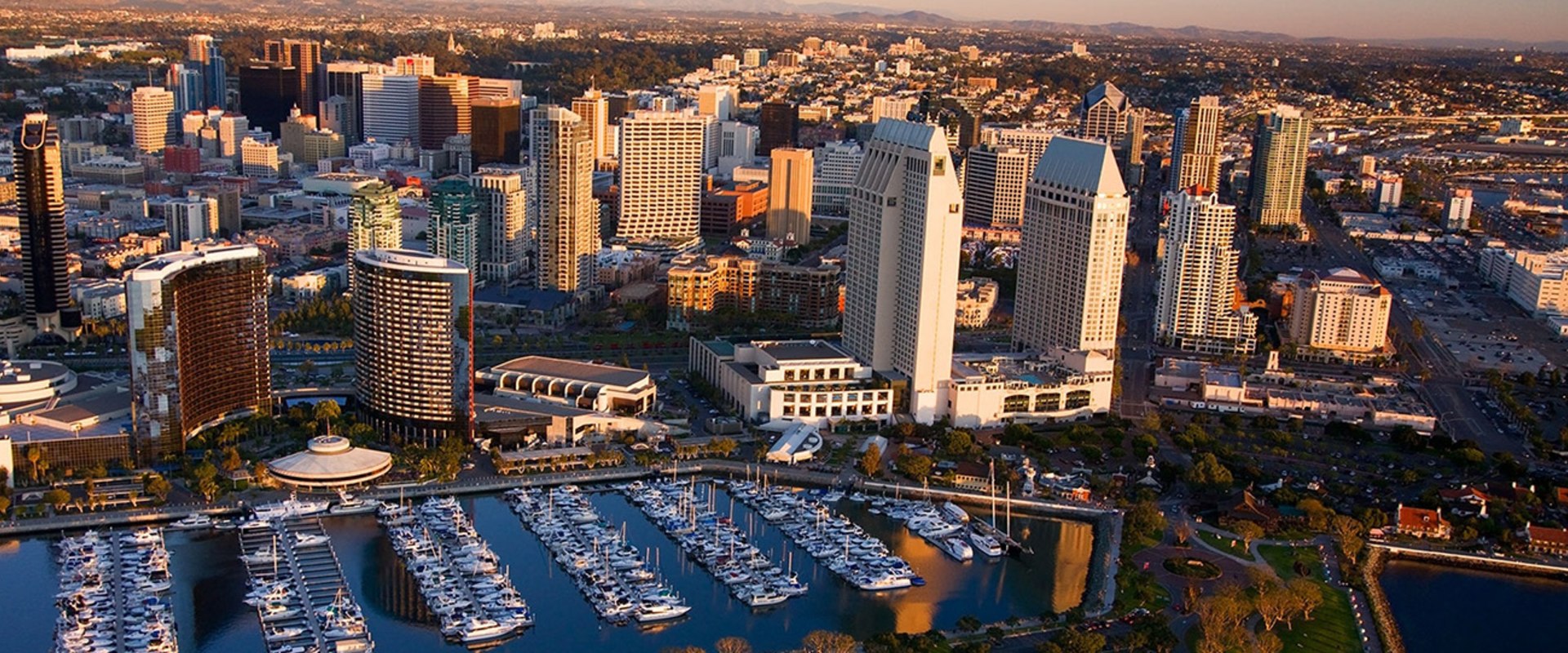
San Diego, a vibrant coastal city in California , is strategically located in the southwestern corner of the state, bordering Mexico to the south. This unique positioning not only enhances its cultural diversity but also plays a significant role in its economic and social dynamics. With its stunning beaches, picturesque landscapes, and a climate that attracts millions of visitors each year, San Diego is more than just a city; it is a hub of activity and opportunity.The geographical significance of San Diego extends beyond its immediate surroundings. Nestled along the Pacific Ocean , it boasts a natural harbor that has historically facilitated trade and commerce.
The city's proximity to major highways and international borders makes it an essential gateway for both domestic and international travel. This accessibility is crucial for businesses looking to optimize their online presence through San Diego SEO , as it allows them to reach a broader audience.In addition to its economic advantages, San Diego's geography influences its lifestyle and recreational opportunities. The nearby mountains and deserts provide a diverse range of outdoor activities, from hiking to surfing, appealing to both residents and tourists alike. This blend of urban and natural environments creates a unique living experience that is often highlighted in local marketing strategies aimed at enhancing visibility through effective SEO practices.As we delve deeper into the geographical aspects of San Diego, we will explore how its location impacts various sectors, including tourism, real estate, and technology.
Understanding these elements is vital for anyone looking to establish a strong online presence in this competitive market. By leveraging the city's geographical advantages, businesses can effectively position themselves for success in the digital landscape.
Geographical Overview of California
California, known for its diverse landscapes and vibrant culture, is the third-largest state in the United States by area. It stretches approximately 900 miles from north to south and encompasses a variety of geographical features, including mountains, valleys, deserts, and coastline. This diversity not only contributes to California's stunning natural beauty but also plays a significant role in its climate and ecology.The state can be broadly divided into several distinct regions:- Coastal Region: This region runs along the Pacific Ocean and includes major cities such as San Francisco, Los Angeles, and San Diego.
The coastline is characterized by beautiful beaches, cliffs, and coastal mountains.
- Central Valley: A vast agricultural area located between the Sierra Nevada mountains to the east and the Coastal Range to the west. This fertile valley is crucial for California's economy, producing a significant portion of the nation’s fruits, vegetables, and nuts.
- Sierra Nevada: Home to some of the highest peaks in the contiguous United States, including Mount Whitney. This mountain range is known for its stunning national parks like Yosemite and Sequoia.
- Desert Region: Located in the southeastern part of the state, this area includes the Mojave Desert and parts of the Colorado Desert. It features unique landscapes and ecosystems.
- Inland Empire: This region encompasses Riverside and San Bernardino counties and is known for its growing population and economic development.
It is part of the Southern California region, which is renowned for its warm climate, beautiful beaches, and vibrant cultural scene. The city itself lies along the Pacific coast within San Diego County and serves as a major hub for tourism, military presence, and international trade.The geographical positioning of San Diego offers unique advantages. Its proximity to Mexico facilitates cross-border commerce and cultural exchange, while its coastal location provides access to numerous recreational activities such as surfing, sailing, and beach volleyball. Additionally, San Diego's varied topography includes hills, canyons, and coastal bluffs that contribute to its scenic vistas.Understanding California's geography is essential for appreciating how San Diego fits into this larger context.
As one of California's key cities, San Diego not only reflects the state's diverse landscape but also embodies its dynamic economy and rich cultural heritage.
San Diego: A Coastal City in Southern California
San Diego, a vibrant coastal city located in Southern California , is renowned for its stunning beaches, picturesque landscapes, and a rich cultural heritage. Nestled along the Pacific Ocean , San Diego boasts a unique geographical position that not only enhances its natural beauty but also contributes significantly to its economy and lifestyle.The city's proximity to the ocean provides residents and visitors with an array of recreational activities. From surfing the waves at Pacific Beach to enjoying a leisurely stroll along the San Diego Bay , the coastal environment is integral to the city's identity. The bay itself is a hub of activity, featuring marinas, waterfront parks, and scenic walking paths that attract both locals and tourists alike.One of the most notable features of San Diego is its diverse coastline, which stretches over 70 miles.This coastline includes famous beaches such as La Jolla Cove, known for its stunning cliffs and marine life, and Coronado Beach, celebrated for its golden sands and family-friendly atmosphere. Each beach offers a unique experience, catering to sunbathers, swimmers, and water sports enthusiasts.In addition to its recreational offerings, San Diego's coastal location plays a crucial role in its economy. The city is home to one of the busiest ports on the West Coast, facilitating international trade and commerce. The port not only supports local businesses but also enhances tourism through cruise ship arrivals and maritime events.Moreover, San Diego's climate is heavily influenced by its coastal position.
The city enjoys a mild Mediterranean climate characterized by warm summers and cool winters, making it an attractive destination year-round. This favorable weather contributes to outdoor activities and events that celebrate the city's coastal lifestyle.In summary, San Diego stands out as a premier coastal city in Southern California due to its breathtaking beaches, thriving economy linked to the ocean, and a climate that invites outdoor living. Its unique coastal features not only enhance the quality of life for residents but also make it a sought-after destination for visitors from around the globe.
Key Landmarks and Natural Features of San Diego
San Diego is renowned not only for its beautiful beaches and vibrant culture but also for its stunning landmarks and natural features that define its geographical identity. Among these, Cowles Mountain and Black Mountain stand out as prominent symbols of the city’s natural beauty.Cowles Mountain
Cowles Mountain, the highest point in San Diego, rises to an elevation of 1,591 feet (485 meters).Located within the Mission Trails Regional Park, this mountain offers breathtaking panoramic views of the city, the Pacific Ocean, and even Mexico on clear days. The hike to the summit is a popular activity for both locals and tourists, attracting thousands each year. The trail is approximately 3 miles round trip and is considered moderately challenging, making it accessible for hikers of various skill levels.The area surrounding Cowles Mountain is rich in biodiversity, featuring a variety of native plants and wildlife. Visitors may encounter species such as coyotes, deer, and numerous bird species along the trails.
The park also provides educational programs that highlight the ecological significance of this natural habitat.
Black Mountain
Another notable landmark is Black Mountain, which stands at 1,558 feet (475 meters). This mountain is part of the Black Mountain Open Space Park, a vast area that encompasses over 2,000 acres of preserved land. The park features several trails that cater to hikers, mountain bikers, and equestrians alike. The ascent to Black Mountain offers a more rugged experience compared to Cowles Mountain, with trails that wind through chaparral-covered hills and rocky outcrops.The summit of Black Mountain provides equally stunning views as Cowles Mountain, showcasing the diverse landscapes of San Diego County.On a clear day, visitors can see the coastline stretching to the north and south, as well as the expansive inland valleys.
Other Notable Features
- Mount Soledad: Another significant peak in San Diego, Mount Soledad features a prominent cross at its summit and offers historical significance along with scenic views.
- Cleveland National Forest: Located just east of San Diego, this national forest provides additional hiking opportunities and showcases diverse ecosystems.
- San Diego Bay: The bay itself is a vital natural feature that supports marine life and recreational activities such as sailing and kayaking.
San Diego's Climate and Its Impact on Location
San Diego is renowned for its mild climate , which plays a significant role in shaping the city's identity and attractiveness as a place to live and work. Nestled along the Pacific coast, San Diego enjoys a Mediterranean climate characterized by warm, dry summers and mild, wet winters. This unique weather pattern not only enhances the quality of life for residents but also creates an inviting atmosphere for tourists and businesses.The average annual temperature in San Diego hovers around 70°F (21°C), making it one of the most temperate climates in the United States.Summer months typically see highs in the mid-80s°F (around 29°C), while winter temperatures rarely dip below 50°F (10°C). This consistency allows for year-round outdoor activities, from beach outings to hiking in the nearby mountains.One of the most appealing aspects of San Diego's climate is its low humidity levels, which contribute to comfortable living conditions. The coastal breezes help moderate temperatures, ensuring that even during peak summer months, residents can enjoy pleasant evenings. Additionally, San Diego receives an average of 266 sunny days per year, making it an ideal location for those who appreciate sunshine and outdoor recreation.The impact of this favorable climate extends beyond personal enjoyment; it significantly influences economic factors as well.
Businesses in sectors such as tourism, hospitality, and real estate thrive due to the city's appeal as a vacation destination. The consistent weather attracts visitors year-round, boosting local economies and creating job opportunities.Moreover, the climate supports a diverse range of flora and fauna, enhancing the natural beauty of the area. Parks and recreational areas flourish with vibrant plant life, providing residents with ample opportunities for outdoor activities such as hiking, biking, and beach sports.In summary, San Diego's climate is a pivotal element that enhances its desirability as a location for both residents and businesses. The combination of mild temperatures, low humidity, and abundant sunshine not only enriches daily life but also fosters economic growth and community engagement.
Cultural and Economic Significance of San Diego's Location
San Diego's geographical location along the Pacific coast not only defines its stunning natural beauty but also plays a pivotal role in shaping its cultural and economic landscape.As the southernmost major city in California, San Diego serves as a gateway to Mexico, fostering a unique blend of cultures that enriches the local community.The city's proximity to the international border with Mexico has led to a vibrant cross-cultural exchange. This is evident in the culinary scene, where Mexican cuisine thrives alongside American fare, creating a diverse gastronomic landscape that attracts food enthusiasts from all over. Festivals such as Cinco de Mayo and Día de los Muertos celebrate this rich cultural heritage, drawing both locals and tourists alike.Economically, San Diego benefits significantly from its location. The city is home to a robust economy driven by several key industries:
- Tourism: With its beautiful beaches, world-renowned attractions like Balboa Park, and the famous San Diego Zoo, tourism is a cornerstone of the local economy.
Millions of visitors flock to the city each year, contributing billions of dollars to the economy.
- Defense and Military: San Diego hosts one of the largest naval fleets in the world, making defense a critical sector. The presence of military bases not only provides jobs but also stimulates local businesses.
- Biotechnology and Healthcare: The city is recognized as a hub for biotech firms and research institutions, including the prestigious University of California, San Diego (UCSD). This sector continues to grow, attracting talent and investment.
- International Trade: Given its location near the U. S.-Mexico border, San Diego is a vital center for international trade.
The Port of San Diego facilitates significant shipping activities that bolster the local economy.
Transportation Links: How to Get to San Diego
San Diego is not only a vibrant city known for its beautiful beaches and cultural attractions, but it also boasts a well-developed transportation infrastructure that makes it easily accessible from various parts of California and beyond. Whether you are traveling by car, bus, or plane, getting to San Diego is convenient and efficient.Highways in San Diego
- Interstate 5 (I-5) : This major north-south highway runs along the California coast, connecting San Diego to Los Angeles to the north and Tijuana, Mexico, to the south.
It offers stunning ocean views and is a primary route for both commuters and tourists.
- Interstate 8 (I-8) : Extending eastward from San Diego to the Arizona border, I-8 provides access to the Imperial Valley and connects with other major highways leading into the interior of California.
- Interstate 15 (I-15) : This highway runs northeast from San Diego through the Inland Empire and connects to Las Vegas and Salt Lake City. It is a vital route for those traveling to northern California or beyond.
- Interstate 805 (I-805) : A bypass of I-5, this highway runs parallel to the coast and connects with I-5 at both ends, providing an alternative route for local traffic.
Public Transportation in San Diego
For those who prefer not to drive, San Diego offers a variety of public transportation options:
- San Diego Trolley : The trolley system is a light rail service that connects various neighborhoods within the city as well as nearby suburbs. It is an efficient way to travel downtown or reach popular attractions like Balboa Park and the Gaslamp Quarter.
- Buses : The Metropolitan Transit System (MTS) operates an extensive network of bus routes throughout San Diego County. Buses are a reliable option for reaching areas not serviced by the trolley.
- Coaster Train : For those traveling from northern suburbs like Oceanside or Carlsbad, the Coaster commuter train provides a scenic ride along the coast into downtown San Diego.
Whether you’re driving along scenic highways or utilizing public transit options, reaching this Southern California gem is straightforward and convenient.
Frequently Asked Questions about San Diego's Location
San Diego, located in the southern part of California, is often a topic of interest for those curious about its geographical significance. Below are some frequently asked questions that provide clarity on San Diego's location and its surrounding areas.- Where exactly is San Diego located?
San Diego is situated in the southwestern corner of California, along the Pacific Ocean. It lies just north of the international border with Mexico, making it one of the closest major U. S.cities to Mexico. The city is approximately 120 miles (195 km) southeast of Los Angeles, which places it in a unique geographical position within the state.
- What are the major landmarks near San Diego?
The city is bordered by several notable geographical features, including:- Pacific Ocean: To the west, providing beautiful beaches and a vibrant marine ecosystem.
- Mount Soledad: A prominent peak within the city limits, offering panoramic views of the surrounding area.
- Cleveland National Forest: Located to the east, this forest provides a natural escape with hiking trails and diverse wildlife.
- How does San Diego's location affect its climate?
San Diego enjoys a Mediterranean climate characterized by mild, wet winters and hot, dry summers. Its coastal position moderates temperatures year-round, making it a desirable location for residents and tourists alike. - What are some nearby cities or regions?
In addition to Los Angeles to the north, other nearby cities include:- Tijuana: Just south of the border, Tijuana is easily accessible and offers a rich cultural experience.
- Chula Vista: Located to the south of San Diego, it is one of the largest cities in California and part of the greater San Diego metropolitan area.
- La Jolla: A coastal community known for its upscale living and stunning ocean views, located just north of downtown San Diego.
Conclusion: The Importance of Understanding San Diego's Location
Understanding the geographical context of San Diego is crucial for appreciating its unique position within California and the broader United States. Nestled in the southwestern corner of California, San Diego is not only the second-largest city in the state but also a vital hub for various economic, cultural, and social activities.Its proximity to the Mexican border enhances its significance as a gateway for trade and tourism, making it a melting pot of cultures.Throughout this article, we have explored several key aspects of San Diego's location. From its stunning coastline along the Pacific Ocean to its diverse topography that includes mountains and valleys, San Diego's landscape plays a pivotal role in shaping its climate and lifestyle. The city's mild weather attracts millions of visitors each year, contributing to its thriving tourism industry.Moreover, San Diego's strategic location facilitates access to major highways and transportation networks, linking it to other significant cities such as Los Angeles and Tijuana. This connectivity not only supports local businesses but also enhances opportunities for residents seeking employment in various sectors, including defense, technology, and healthcare.In addition to economic factors, understanding San Diego's location helps highlight its environmental significance.
The city is home to numerous parks, beaches, and natural reserves that contribute to its ecological diversity. The nearby Cleveland National Forest and coastal areas provide residents and visitors with ample opportunities for outdoor activities, promoting a healthy lifestyle.In conclusion, recognizing the importance of San Diego's geographical position enriches our understanding of its role within California. Whether considering its economic contributions or its cultural diversity, San Diego stands out as a city that embodies the spirit of Southern California. As we continue to explore the dynamics of urban development and environmental sustainability in this region, it becomes increasingly clear that San Diego's location is integral to its identity and future growth.