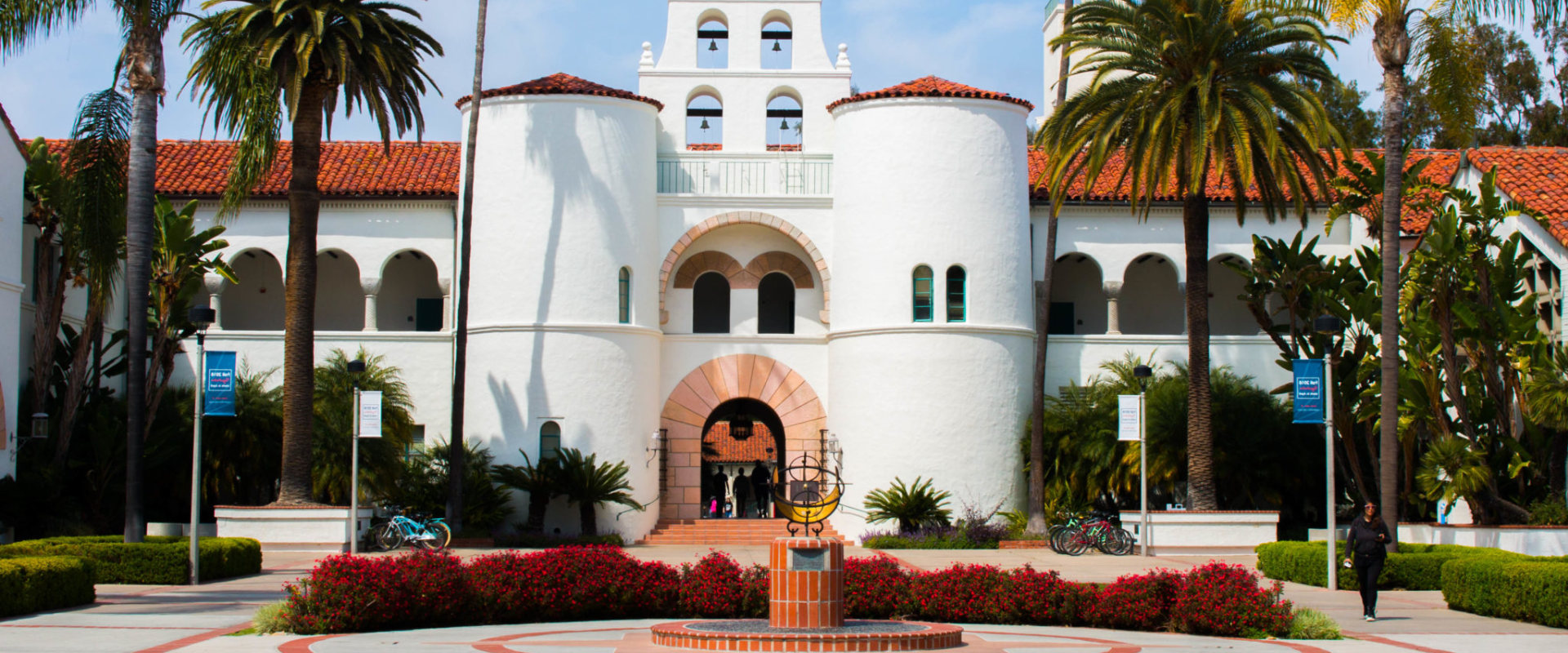
San Diego, a vibrant coastal city located in the southern part of California , is renowned for its stunning beaches, diverse culture, and rich history. Nestled along the Pacific Ocean, it serves as the county seat of San Diego County and is the second-largest city in California, following Los Angeles. With a population exceeding 1.3 million residents, San Diego is not only a significant urban center but also a key player in the economic landscape of the state.The geographical positioning of San Diego is particularly noteworthy. It lies just north of the U.
S.-Mexico border , making it a crucial gateway for trade and cultural exchange between the two nations. The city's landscape is characterized by its picturesque coastline, rolling hills, and expansive parks, including the famous Balboa Park, which houses numerous museums and gardens. This unique geography contributes to San Diego's mild climate, attracting visitors year-round and making it a popular destination for tourists seeking sun and outdoor activities.In addition to its natural beauty, San Diego boasts a rich tapestry of cultural influences that reflect its history as a border city. From its early days as a Spanish mission to its development into a bustling metropolis, San Diego has evolved while maintaining its distinct character.
The city is home to various neighborhoods, each with its own unique charm and offerings, from the historic Gaslamp Quarter to the laid-back vibe of Pacific Beach.As we delve deeper into the specifics of San Diego's significance within California and beyond, it becomes clear that this city is more than just a beautiful location; it is a dynamic hub of innovation, culture, and opportunity. Whether you are interested in exploring its thriving tech scene or enjoying its world-class attractions like the San Diego Zoo and SeaWorld, there is something for everyone in this remarkable city.
Geographical Location of San Diego
San Diego is situated in the southernmost part of California , directly adjacent to the Mexican border. This prime location places it approximately 20 miles north of Tijuana, Mexico, making it a significant gateway for cross-border trade and cultural exchange. The city lies along the Pacific Ocean , providing stunning coastal views and a temperate climate that attracts millions of visitors each year.To better understand San Diego's geographical context, it is essential to consider its position within California.The city is part of San Diego County , which is the second most populous county in California. San Diego itself is the second-largest city in the state, following Los Angeles. The city's coordinates are approximately 32.7157° N latitude and 117.1611° W longitude, placing it in a unique position that offers both urban and natural attractions.When examining a map of San Diego , one can see its proximity to several major landmarks:
- Balboa Park : A sprawling urban park that houses museums, gardens, and the famous San Diego Zoo.
- Mission Bay : A large aquatic park ideal for water sports and recreational activities.
- La Jolla Cove : Known for its picturesque coastline and marine life, this area is a popular spot for snorkeling and diving.
- Coronado Island : Accessible via the iconic Coronado Bridge, this island features beautiful beaches and a charming downtown area.
Its strategic location enhances its role as a center for international business and trade.Overall, understanding where San Diego is located within California not only highlights its geographical significance but also underscores its role as a vital economic and cultural center in the region.
Historical Context of San Diego
San Diego, known for its stunning coastline and vibrant culture, has a rich history that dates back thousands of years. The area was originally inhabited by the Kumeyaay people, who thrived in the region long before European contact. Their deep connection to the land is evident in their traditions and practices, which continue to influence the cultural landscape of San Diego today.The modern history of San Diego began in 1542 when Spanish explorer Juan Rodríguez Cabrillo became the first European to set foot on the West Coast of what is now the United States. He claimed the area for Spain, naming it San Miguel.However, it wasn't until 1769 that the first permanent European settlement was established by Father Junípero Serra and a military garrison led by Gaspar de Portolá. This marked the founding of Mission San Diego de Alcalá, the first of California's 21 missions, which played a crucial role in spreading Christianity among the indigenous populations.Throughout the 19th century, San Diego evolved significantly. The city was officially incorporated in 1850, shortly after California became a state. Its strategic location as a port city made it an essential hub for trade and military operations, particularly during the Mexican-American War.
The establishment of the U. S. Navy's presence in San Diego further solidified its importance as a military base.As the city grew, so did its economy. The arrival of the railroad in 1885 connected San Diego to other major cities, facilitating commerce and tourism.
The city's population boomed during this period, attracting settlers from various backgrounds who contributed to its diverse cultural fabric.In the 20th century, San Diego continued to flourish, becoming known for its defense industry during World War II and later emerging as a center for biotechnology and telecommunications. Today, San Diego is not only recognized for its historical significance but also for its role as a cultural and economic powerhouse in California.Understanding this historical context is vital for appreciating San Diego's current status as a vibrant city that honors its past while looking toward a bright future.
Demographics and Population of San Diego
San Diego, known for its stunning coastline and vibrant culture, is not only a popular tourist destination but also a city rich in diversity and community. As of the latest estimates, the population of San Diego stands at approximately 1.3 million , making it the second-largest city in California and the eighth-largest in the United States.The demographics of San Diego reflect a melting pot of cultures and ethnicities. The city is home to a variety of racial and ethnic groups, contributing to its unique social fabric.According to recent data:
- Hispanic or Latino: Approximately 30% of the population identifies as Hispanic or Latino, with a significant portion having roots in Mexico.
- White (Non-Hispanic): Around 46% of residents identify as White, making this group the largest single racial demographic.
- Asian: About 16% of the population identifies as Asian, with notable communities from countries such as the Philippines, Vietnam, and China.
- Black or African American: This group comprises roughly 6% of the city's population.
- Other Races: The remaining percentage includes Native American, Pacific Islander, and individuals identifying with two or more races.
The city also has a growing number of multi-generational households, reflecting broader national trends.The economic landscape of San Diego is diverse, with key industries including defense, tourism, healthcare, and technology. This economic diversity contributes to a relatively high median household income compared to national averages, further enhancing the quality of life for its residents.Overall, understanding the demographics and population statistics of San Diego provides valuable insights into its community structure and cultural richness. This diversity not only enriches the local culture but also fosters an environment conducive to innovation and growth.
Economy and Industry in San Diego
The economy of San Diego is a vibrant tapestry woven from various industries that contribute significantly to both the local and state economies. As the second-largest city in California, San Diego plays a crucial role in the economic framework of the state, with a diverse range of sectors driving growth and innovation.Tourism
is one of the most prominent industries in San Diego, attracting millions of visitors each year.
The city's stunning coastline, world-renowned attractions like the San Diego Zoo, SeaWorld, and Balboa Park, along with its favorable climate, make it a prime destination for tourists. In 2019 alone, tourism generated over $11 billion in revenue, supporting thousands of jobs in hospitality, retail, and entertainment.Another cornerstone of San Diego's economy is the defense sector. The city is home to several military bases, including Naval Base San Diego, which is the largest naval base on the West Coast. This presence not only provides direct employment opportunities but also stimulates local businesses that cater to military personnel and their families.
The defense industry contributes significantly to research and development, particularly in areas such as cybersecurity and advanced technologies.
Biotechnology
is rapidly emerging as a key player in San Diego's economic landscape. The city has established itself as a hub for biotech firms, with numerous companies engaged in cutting-edge research and development. Institutions like the University of California, San Diego (UCSD) and the Salk Institute for Biological Studies foster innovation and collaboration between academia and industry. This sector not only creates high-paying jobs but also attracts investment from around the globe.In addition to these primary industries, San Diego's economy benefits from a robust manufacturing sector , which includes aerospace, electronics, and telecommunications.
The city's strategic location near the Mexican border facilitates trade and commerce, further enhancing its economic significance.Overall, San Diego's economy is characterized by its diversity and resilience. As it continues to evolve, the city remains a vital contributor to California's economic prosperity, showcasing a blend of traditional industries and emerging sectors that promise growth for years to come.
Tourism and Attractions in San Diego
San Diego is renowned for its stunning coastline, vibrant culture, and a plethora of attractions that cater to all types of visitors. Whether you are a nature enthusiast, a history buff, or a family looking for fun, San Diego has something to offer everyone.One of the most iconic attractions in the city is the San Diego Zoo , located in Balboa Park. This world-famous zoo is home to over 3,500 animals representing more than 650 species.Visitors can explore the expansive grounds, participate in guided tours, and even enjoy behind-the-scenes experiences that provide insight into animal care and conservation efforts.Another must-visit destination is Balboa Park itself, which is not only home to the zoo but also features numerous museums, gardens, and cultural institutions. Highlights include the San Diego Museum of Art, the Natural History Museum, and the beautiful Japanese Friendship Garden. The park's stunning architecture and lush landscapes make it a perfect spot for leisurely strolls or picnics.The USS Midway Museum offers a unique glimpse into naval history. Housed on a retired aircraft carrier, this museum allows visitors to explore flight decks, see historic aircraft, and learn about life aboard a naval ship through interactive exhibits and guided tours.For those seeking outdoor adventures, La Jolla Cove is a breathtaking destination known for its picturesque views and marine life.
Visitors can enjoy kayaking, snorkeling, or simply relaxing on the beach while watching sea lions bask in the sun. The nearby Torrey Pines State Natural Reserve offers hiking trails with stunning ocean vistas and opportunities to see native wildlife.If you're looking for family-friendly activities, LEGOLAND California in Carlsbad is just a short drive from San Diego. This theme park features rides, shows, and attractions themed around the beloved LEGO brand, making it an ideal destination for families with young children.Finally, no visit to San Diego would be complete without experiencing its vibrant culinary scene. From fresh seafood at waterfront restaurants to authentic Mexican cuisine in Old Town San Diego, food lovers will find an array of dining options that reflect the city's diverse culture.In summary, San Diego's rich array of attractions—from its renowned zoo and beautiful parks to historical sites and culinary delights—makes it a top destination for tourists and locals alike.
With so much to see and do, visitors are sure to create lasting memories in this sunny Southern California city.
Education and Research Institutions in San Diego
San Diego is not only renowned for its stunning beaches and vibrant culture but also for its robust educational landscape. The city is home to a variety of universities and research institutions that contribute significantly to the local economy and community development.Among the most prominent institutions is San Diego State University (SDSU) , which offers a wide range of undergraduate and graduate programs. With a diverse student body and a strong emphasis on research, SDSU plays a crucial role in shaping the future workforce of the region. The university is particularly noted for its programs in business, engineering, and public health.The University of California, San Diego (UCSD) is another key player in the educational sector.Known for its rigorous academic standards and cutting-edge research, UCSD consistently ranks among the top public universities in the United States. The university's focus on science, technology, engineering, and mathematics (STEM) fields has made it a hub for innovation and entrepreneurship.In addition to these large universities, San Diego hosts several other notable institutions:
- University of San Diego (USD) : A private Catholic university known for its liberal arts education and strong emphasis on ethics and community service.
- California State University San Marcos (CSUSM) : Offers a range of undergraduate and graduate programs with a focus on serving the local community.
- Point Loma Nazarene University (PLNU) : A private Christian university that emphasizes holistic education and personal development.
They attract students, researchers, and professionals from various fields, creating a dynamic environment that supports economic growth and community engagement.
Transportation Infrastructure in San Diego
San Diego boasts a comprehensive transportation infrastructure that caters to both residents and visitors, making it easier to navigate this vibrant coastal city. The city's layout and its proximity to the Pacific Ocean contribute to a unique blend of transportation options, ensuring accessibility across various neighborhoods and attractions.Highways in San Diego
San Diego is well-connected by a network of major highways that facilitate efficient travel within the city and beyond. The primary highways include:
- Interstate 5 (I-5) : This crucial north-south corridor runs along the coast, linking San Diego to Los Angeles to the north and Tijuana, Mexico, to the south. It provides easy access to popular beach areas and downtown.
- Interstate 8 (I-8) : Stretching eastward, I-8 connects San Diego to the Imperial Valley and Arizona.
It serves as a vital route for those traveling towards the desert regions or heading towards the east coast.
- Interstate 15 (I-15) : This highway runs northeast through the Inland Empire, connecting San Diego with Las Vegas and other key destinations. It is particularly important for commuters traveling from suburban areas.
- Interstate 805 (I-805) : A bypass of I-5, I-805 runs parallel to the coast and connects various neighborhoods within San Diego, making it a convenient option for local traffic.
Public Transport in San Diego
The public transportation system in San Diego is managed by the Metropolitan Transit System (MTS), which offers a variety of services designed to meet the needs of its diverse population:
- Buses : MTS operates an extensive bus network that covers most areas of the city. With numerous routes, buses provide an affordable way for residents and visitors to reach their destinations.
- Trolley : The San Diego Trolley is a light rail system that connects key areas such as downtown, Mission Valley, and the border with Mexico. It is a popular choice for commuters and tourists alike, offering a scenic ride through the city.
- Coaster : This commuter train service connects San Diego with coastal communities up to Oceanside.
It is an excellent option for those looking to explore nearby beach towns without driving.
<strong>Conclusion</strong>
In summary, San Diego is a vibrant city located in the state of California , renowned for its stunning coastal views, diverse culture, and rich history. As the second-largest city in California and the eighth-largest in the United States, it serves as a significant hub for tourism, education, and international trade.Understanding the geographical and cultural context of San Diego is essential for anyone looking to explore its offerings or engage in business opportunities.The city's proximity to the Mexican border enhances its appeal as a gateway for international commerce, particularly with Latin America. This unique position not only fosters economic growth but also enriches the local culture with a blend of influences.Moreover, San Diego's climate is one of its most attractive features, boasting mild temperatures year-round that make it an ideal destination for outdoor activities and tourism. From its beautiful beaches to world-class attractions like the San Diego Zoo and Balboa Park, there is no shortage of experiences for residents and visitors alike.For businesses considering San Diego SEO strategies, understanding the local market dynamics is crucial. The city's diverse population and thriving economy present numerous opportunities for targeted marketing efforts.
Engaging with local communities through tailored content can significantly enhance visibility and drive traffic to businesses.In conclusion, whether you are a resident, a tourist, or a business owner, San Diego offers a wealth of opportunities and experiences that are deeply rooted in its identity as a Californian city. Embracing this identity while leveraging its unique advantages can lead to success in various endeavors.