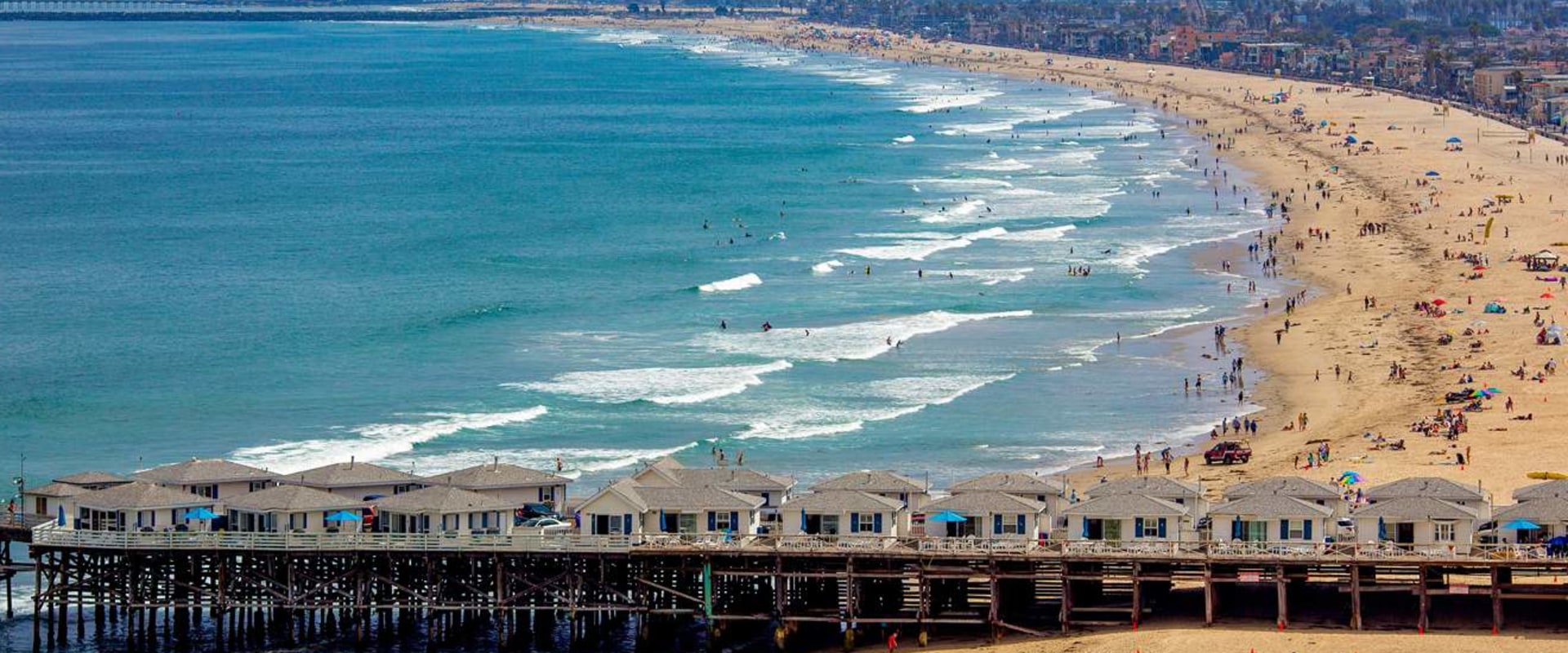
San Diego, often referred to as "America's Finest City," is a vibrant hub of culture, recreation, and natural beauty that attracts millions of visitors each year. With its stunning coastline, world-renowned attractions, and a climate that boasts sunshine nearly year-round, it’s no wonder that San Diego has become a premier travel destination. The city welcomes over 35 million tourists annually , making it one of the most visited locations in the United States. This influx of visitors not only highlights the city's appeal but also underscores the significant role tourism plays in San Diego's economy.The diverse range of activities available in San Diego caters to a wide array of interests.
From the iconic San Diego Zoo and the thrilling rides at SeaWorld to the historic charm of the Gaslamp Quarter and the serene beauty of Coronado Island, there is something for everyone. The city's beaches are particularly popular, drawing both locals and tourists alike who seek relaxation and adventure along the Pacific coast. As we delve deeper into the statistics surrounding San Diego's tourism landscape, it becomes clear that understanding these trends is essential for grasping the full impact of tourism on the local economy.In addition to leisure travelers, San Diego also hosts a significant number of business visitors due to its reputation as a prime location for conferences and events. The San Diego Tourism Authority plays a crucial role in promoting the city as a top choice for both leisure and business travel.
By analyzing visitor demographics and spending patterns, we can gain valuable insights into how tourism shapes not only the city’s economy but also its cultural fabric. As we explore these statistics further, we will uncover key trends that define San Diego's tourism industry and what they mean for future growth.
Overview of Annual Tourist Visits to San Diego
San Diego, renowned for its stunning coastline, vibrant culture, and world-class attractions, consistently ranks as one of the most visited cities in the United States. Annually, more than 35 million tourists flock to this Southern California gem, drawn by its diverse offerings and pleasant climate.The tourism landscape in San Diego is not just about numbers; it reflects a dynamic interplay of various factors that contribute to its appeal. The city boasts a rich array of attractions, including the famous San Diego Zoo, the historic Gaslamp Quarter, and the picturesque beaches that line its coast.Each year, these sites attract millions of visitors, both domestic and international.According to recent statistics from the San Diego Tourism Authority , approximately half of these visitors choose to stay overnight, while the other half are day-trippers. This division highlights the city's accessibility and the variety of experiences available for different types of travelers.In addition to leisure tourism, San Diego is a hub for business travel and conventions. The city hosts numerous events throughout the year, contributing significantly to its visitor numbers. For instance, major conventions and conferences draw thousands of attendees who not only participate in professional activities but also explore the local attractions during their stay.The impact of tourism on San Diego's economy is profound.
It generates billions in revenue each year, supporting local businesses and creating jobs across various sectors. The hospitality industry thrives on this influx of visitors, with hotels, restaurants, and entertainment venues benefiting from the steady stream of tourists.As we look at trends over recent years, it’s clear that San Diego's popularity remains robust despite challenges such as economic fluctuations and global events. The city's commitment to enhancing its tourism infrastructure and marketing efforts through organizations like the San Diego Tourism Authority ensures that it remains a top choice for travelers seeking sun-soaked adventures and cultural experiences.In summary, with over 35 million annual visitors, San Diego stands out as a premier destination in the U. S., offering a unique blend of attractions that cater to all types of travelers.
Its ability to attract such large numbers year after year underscores its status as a beloved locale for both leisure and business tourism.
Key Attractions Driving Tourism in San Diego
San Diego is renowned for its stunning landscapes, vibrant culture, and a plethora of attractions that cater to a wide range of interests. Each year, millions of tourists flock to this coastal city, drawn by its unique offerings. Here are some of the key attractions that significantly contribute to San Diego's tourism:- San Diego Zoo : One of the most famous zoos in the world, the San Diego Zoo is home to over 3,500 animals representing more than 650 species. Its commitment to conservation and education makes it a must-visit for families and animal lovers alike.
The zoo's expansive grounds feature lush gardens and innovative habitats that mimic the animals' natural environments.
- Beaches : With over 70 miles of coastline, San Diego boasts some of the best beaches in California. From the bustling shores of Mission Beach to the serene sands of La Jolla Cove, visitors can enjoy sunbathing, surfing, and beach volleyball. The picturesque sunsets are an added bonus that attracts both locals and tourists.
- Balboa Park : This cultural oasis is home to numerous museums, gardens, and theaters. Balboa Park is not only a beautiful place to explore but also hosts events throughout the year, including art exhibitions and concerts.
The park's architectural beauty and rich history make it a favorite among visitors.
- USS Midway Museum : A unique attraction located on a historic aircraft carrier, the USS Midway Museum offers an immersive experience into naval history. Visitors can explore the ship, view aircraft displays, and learn about life at sea through engaging exhibits.
- Gaslamp Quarter : Known for its vibrant nightlife and dining scene, the Gaslamp Quarter is a historic district filled with Victorian-era buildings. Tourists can enjoy shopping, dining at gourmet restaurants, or experiencing live entertainment in this lively area.
- SeaWorld San Diego : This marine-themed park combines entertainment with education about ocean conservation. Visitors can enjoy thrilling rides, animal encounters, and spectacular shows featuring dolphins and sea lions.
The combination of natural beauty, cultural richness, and family-friendly activities ensures that there is something for everyone in San Diego.
Economic Impact of Tourism on San Diego
The tourism industry plays a pivotal role in shaping the economic landscape of San Diego. With over 35 million visitors flocking to the city each year, the financial implications are substantial. This influx of tourists not only enhances the local economy but also creates numerous job opportunities across various sectors.Job Creation
Tourism is a significant driver of employment in San Diego. The sector supports approximately 200,000 jobs, ranging from hospitality and retail to transportation and entertainment.
These positions are crucial for the local workforce, providing stable income and career growth opportunities for residents. Many of these jobs are entry-level, making them accessible to a diverse range of individuals, including students and those re-entering the job market.
Revenue Generation
The economic impact of tourism extends beyond job creation; it also generates substantial revenue for the city. In 2019 alone, tourism contributed over $11 billion to San Diego's economy. This revenue comes from various sources, including hotel stays, dining, attractions, and shopping.
The tax revenue generated from these activities helps fund essential public services such as education, infrastructure, and public safety.
Support for Local Businesses
Local businesses greatly benefit from the influx of tourists. Restaurants, shops, and attractions see increased patronage during peak tourist seasons, which can lead to higher profits and the ability to reinvest in their operations. This cycle of spending supports not only the businesses directly involved in tourism but also ancillary services such as suppliers and service providers.
Community Development
The benefits of tourism extend into community development as well. Increased revenue allows for improvements in public spaces and amenities that enhance the quality of life for both residents and visitors.
Parks, cultural institutions, and recreational facilities often receive funding through tourism-related taxes, fostering a vibrant community atmosphere.In summary, the economic impact of tourism on San Diego is profound. From job creation to revenue generation and support for local businesses, the benefits are far-reaching. As San Diego continues to attract millions of visitors each year, its economy remains robust and dynamic, showcasing the essential role that tourism plays in its overall prosperity.
Visitor Demographics and Profiles
Understanding the demographics of tourists visiting San Diego is essential for grasping the full picture of its vibrant tourism industry. Each year, millions flock to this coastal city, and their diverse backgrounds contribute to the unique atmosphere that San Diego offers.Age Groups
- Families: A significant portion of visitors comprises families, particularly during school vacations.
Attractions like the San Diego Zoo and Legoland cater specifically to younger audiences, making them popular choices for family outings.
- Young Adults: The 18-34 age group is another key demographic, often drawn by San Diego's nightlife, beaches, and cultural events. This age group tends to favor activities such as surfing, beach parties, and exploring the Gaslamp Quarter.
- Older Adults: Visitors aged 55 and above are also prevalent, often seeking a more relaxed experience. They typically enjoy scenic tours, fine dining, and cultural attractions like museums and historical sites.
Geographic Origins
San Diego attracts tourists from various regions:
- Domestic Visitors: A large percentage of tourists come from within the United States, particularly from neighboring states like California, Arizona, and Nevada. Major cities such as Los Angeles and Las Vegas contribute significantly to weekend traffic.
- International Tourists: San Diego also sees a considerable influx of international visitors.
Canada and Mexico are the top sources of foreign tourists, but travelers from Asia and Europe are increasingly making their way to this sunny destination.
Travel Preferences
The preferences of San Diego's visitors vary widely:
- Accommodation Choices: Many tourists opt for hotels in the downtown area or near the beach for easy access to attractions. Vacation rentals have also gained popularity among families and groups looking for more space.
- Activities: Tourists often prioritize outdoor activities such as hiking in Torrey Pines State Natural Reserve or enjoying water sports at Mission Bay. Cultural experiences like visiting Balboa Park's museums are also highly sought after.
Seasonal Trends in Tourism: When Do Tourists Visit?
Understanding the seasonal trends in tourism is essential for both visitors and local businesses in San Diego.The city experiences a variety of tourist influxes throughout the year, influenced by factors such as weather, holidays, and special events.Generally, the peak tourist season in San Diego occurs during the summer months, from June to August. During this time, the city welcomes millions of visitors eager to enjoy its beautiful beaches, outdoor activities, and vibrant cultural scene. The warm weather, with average temperatures ranging from the mid-70s to low 80s (°F), makes it an ideal time for families and tourists to explore attractions like Balboa Park, the San Diego Zoo, and various coastal activities.Another significant influx of tourists can be observed during the spring months, particularly around spring break. Many families and college students flock to San Diego for its sunny weather and numerous attractions.
Events such as the San Diego County Fair in June also draw large crowds, further boosting tourism during this period.Conversely, the fall months (September to November) tend to see a decline in tourist numbers. However, this off-peak season offers a unique opportunity for visitors seeking a quieter experience. The weather remains pleasant, with fewer crowds at popular attractions and lower hotel rates. This is also a great time for locals to enjoy events like San Diego Beer Week in November.The winter months (December to February) are typically considered the off-peak season for tourism in San Diego.
While temperatures can drop to the mid-60s (°F), many visitors still come to enjoy holiday festivities and events such as December Nights at Balboa Park. Additionally, winter is an excellent time for whale watching along the coast, attracting nature enthusiasts.In summary, while summer remains the peak season for tourism in San Diego due to its favorable weather and numerous events, spring offers vibrant activity as well. Fall provides a more relaxed atmosphere with fewer tourists, while winter attracts those interested in seasonal festivities and unique experiences. Understanding these seasonal trends can help travelers plan their visits effectively and make the most of their time in this beautiful coastal city.
Challenges Facing the Tourism Industry in San Diego
The tourism industry in San Diego, while thriving, faces a multitude of challenges that can significantly impact its growth and sustainability.One of the most pressing issues has been the impact of COVID-19 , which brought unprecedented disruptions to travel and hospitality sectors worldwide. As restrictions were implemented to curb the spread of the virus, San Diego saw a dramatic decline in visitor numbers, with many hotels, restaurants, and attractions forced to close temporarily or operate at reduced capacity.In addition to the pandemic, other challenges include:
- Economic Fluctuations: Economic downturns can lead to decreased disposable income for potential travelers, affecting their ability to visit San Diego. This is particularly relevant during times of recession when leisure travel is often one of the first expenses cut from household budgets.
- Environmental Concerns: San Diego's beautiful beaches and natural attractions are at risk due to climate change and environmental degradation. Rising sea levels and increased frequency of wildfires can deter tourists and threaten local ecosystems.
- Competition from Other Destinations: As a popular tourist destination, San Diego competes with other cities that offer similar attractions.
Cities like Los Angeles, San Francisco, and even international destinations are vying for the same tourist dollars.
- Infrastructure Strain: With millions of visitors each year, the local infrastructure can become strained. Traffic congestion, limited parking, and overcrowded attractions can diminish the overall visitor experience.
- Health and Safety Protocols: Implementing rigorous health guidelines in hotels and attractions to reassure visitors about their safety.
- Marketing Campaigns: Launching targeted marketing campaigns that highlight unique experiences in San Diego while emphasizing safety measures.
- Sustainable Tourism Practices: Focusing on eco-friendly initiatives that protect natural resources while attracting environmentally conscious travelers.
Future Projections for Tourism Growth in San Diego
As we look towards the future of tourism in San Diego, several key factors and trends are poised to shape the landscape of visitor numbers and experiences.With a current annual influx of over 35 million tourists, the city is not resting on its laurels; instead, it is actively seeking ways to enhance its appeal and accommodate a growing number of visitors.
1.Infrastructure Development
One of the most significant drivers of future tourism growth in San Diego is ongoing infrastructure development. Projects aimed at improving transportation, such as expanded public transit options and upgrades to the airport, are expected to make it easier for tourists to access the city. Additionally, new hotels and attractions are being developed to cater to diverse visitor preferences, from luxury accommodations to family-friendly venues.
2.Sustainable Tourism Initiatives
As environmental awareness continues to rise, San Diego is embracing sustainable tourism practices. Efforts to promote eco-friendly activities, such as beach clean-ups and wildlife conservation programs, are likely to attract a more conscientious traveler demographic.
This shift not only enhances the visitor experience but also positions San Diego as a leader in responsible tourism.
3.Technological Advancements
The integration of technology into the tourism sector is another trend that will influence future growth. From mobile apps that provide real-time information about attractions to virtual reality experiences that allow potential visitors to preview their trips, technology is reshaping how tourists plan and enjoy their visits. San Diego's tourism authorities are likely to invest in these innovations to enhance visitor engagement.
4.Events and Festivals
San Diego's calendar is filled with events and festivals that draw crowds year-round. The expansion of major events, such as Comic-Con and various food and wine festivals, will continue to attract both domestic and international tourists.
These events not only boost hotel occupancy rates but also stimulate local businesses.
5.Global Travel Trends
Finally, global travel trends will play a crucial role in shaping San Diego's tourism future. As international travel rebounds post-pandemic, San Diego's strategic marketing efforts will be essential in capturing a share of this market. Targeting emerging markets and enhancing partnerships with international travel agencies can further bolster visitor numbers.In conclusion, the future of tourism in San Diego looks promising, driven by infrastructure improvements, sustainable practices, technological advancements, vibrant events, and global travel trends. By adapting to these changes and focusing on enhancing the visitor experience, San Diego is well-positioned for continued growth in its tourism sector.
Conclusion: The Importance of Tourism to San Diego's Identity
In summary, tourism plays a pivotal role in shaping the identity and economy of San Diego.With over 35 million visitors flocking to this vibrant city each year, it is clear that San Diego is not just a destination but a cultural hub that attracts people from all walks of life. The diverse array of attractions, from the world-renowned San Diego Zoo to the stunning beaches and historic sites, showcases the city's unique blend of natural beauty and rich history.The economic impact of tourism cannot be overstated. It generates billions in revenue, supporting local businesses and creating thousands of jobs. This influx of visitors stimulates growth in various sectors, including hospitality, retail, and entertainment.
As a result, the city thrives on the financial contributions made by tourists, which in turn helps fund public services and infrastructure improvements.Moreover, tourism fosters a sense of community pride among residents. The annual events, festivals, and cultural celebrations that attract tourists also enrich the lives of locals. They provide opportunities for residents to engage with visitors, share their stories, and showcase the best of what San Diego has to offer.As we look to the future, it is essential for San Diego to continue promoting itself as a premier travel destination while also preserving its unique cultural heritage. The efforts of organizations like the San Diego Tourism Authority are crucial in maintaining this balance.
By investing in sustainable tourism practices and enhancing visitor experiences, San Diego can ensure that it remains a beloved destination for generations to come.In conclusion, the significance of tourism in San Diego extends far beyond mere numbers. It is intertwined with the city’s identity, economy, and community spirit. As we celebrate the vibrant tapestry that makes up San Diego, we must recognize and appreciate the vital role that tourism plays in shaping its future.