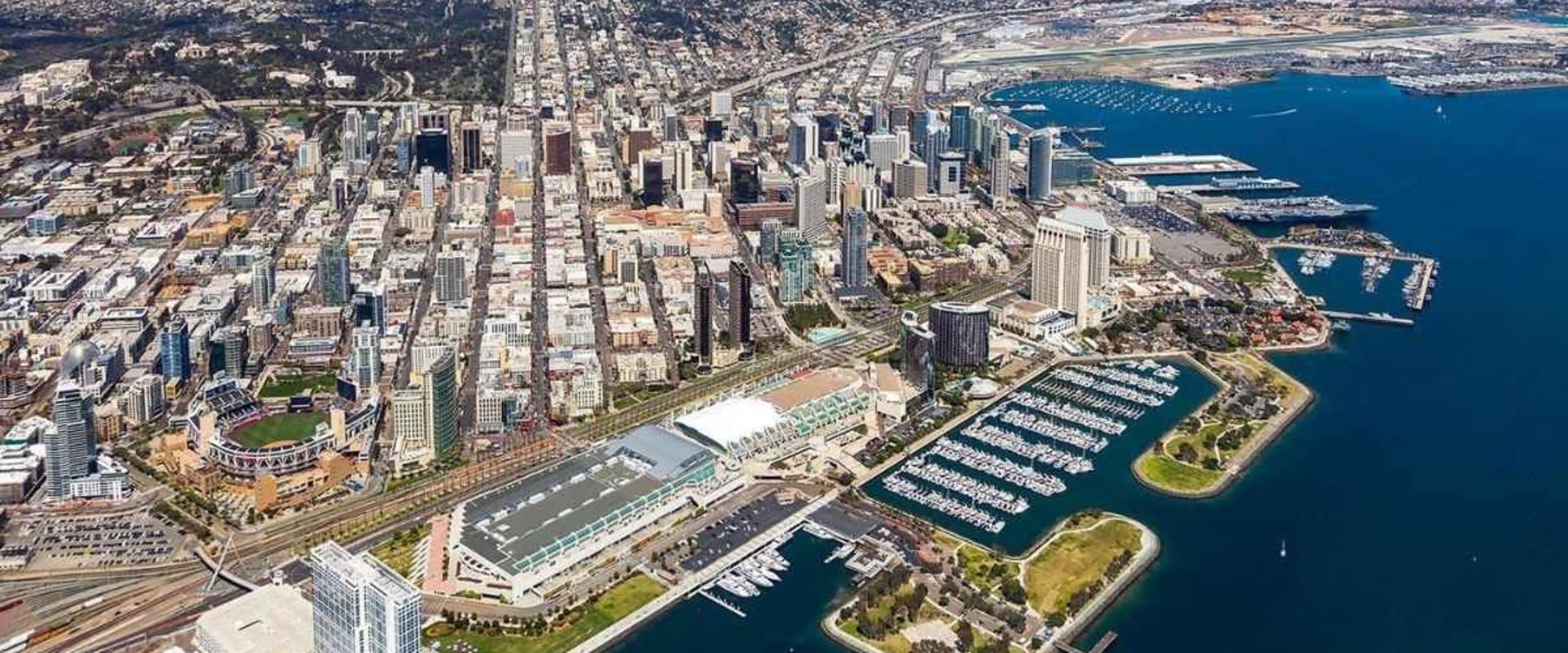
San Diego, often referred to as the "Birthplace of California," holds a unique position within the state. Nestled along the southern coast, it is not only the second-largest city in California but also a vibrant cultural hub that reflects the diverse identity of the state itself. With its stunning beaches, rich history, and a climate that attracts millions of visitors each year, San Diego embodies many of the characteristics that make California renowned worldwide.Geographically, San Diego is situated at the border with Mexico, which adds an intriguing layer to its identity. This proximity influences everything from local cuisine to cultural festivals, making it a melting pot of traditions and lifestyles.
The city's landscape is marked by rolling hills, coastal cliffs, and expansive parks, offering a stark contrast to other regions in California, such as the mountainous areas of Northern California or the arid deserts found inland. This geographical diversity contributes to San Diego's appeal as a destination for both residents and tourists alike.As we delve deeper into the relationship between San Diego and California, it becomes essential to explore how this city not only shares commonalities with the rest of the state but also possesses distinct features that set it apart. From its thriving economy driven by sectors like tourism and technology to its commitment to sustainability and innovation, San Diego plays a pivotal role in shaping California's future. Understanding this dynamic will provide valuable insights into what makes San Diego a unique part of California's rich tapestry.
Geographical Overview of San Diego and California
San Diego, located in the southernmost part of California, is a vibrant coastal city that plays a significant role in the state's geographical landscape.Nestled along the Pacific Ocean, San Diego is bordered to the south by Mexico and is known for its stunning beaches, diverse ecosystems, and unique topography.The city covers an area of approximately 372 square miles, making it the second-largest city in California and the seventh-largest in the United States. Its geographical features include coastal cliffs, sandy beaches, and rolling hills that contribute to its picturesque scenery. The coastline stretches over 70 miles, offering residents and visitors alike a plethora of recreational opportunities such as surfing, sailing, and beach volleyball.One of the defining characteristics of San Diego's geography is its climate. The city enjoys a Mediterranean climate , characterized by mild, wet winters and hot, dry summers.
This climate is ideal for outdoor activities year-round and supports a rich variety of flora and fauna. The average annual rainfall is about 10 inches, with most precipitation occurring between December and March.In addition to its coastal features, San Diego is home to several notable natural landmarks. The Torrey Pines State Natural Reserve offers breathtaking views of the ocean and unique geological formations. Meanwhile, the San Diego Bay serves as a crucial harbor for naval operations and commercial shipping, further emphasizing the city's strategic importance.When considering California as a whole, it is essential to recognize that San Diego's geography is distinct yet interconnected with other regions in the state.
California boasts a diverse range of geographical features from the rugged Sierra Nevada mountains to the expansive Central Valley and the iconic coastline that stretches from the Oregon border down to Mexico.In summary, San Diego's geographical overview highlights its unique position within California. With its stunning coastal landscapes, favorable climate, and rich natural resources, San Diego not only contributes to California's identity but also stands out as a remarkable destination for both residents and tourists.
Cultural Identity: Is San Diego Unique?
San Diego's cultural identity is a vibrant tapestry woven from its rich history, diverse demographics, and unique local traditions. Unlike other Californian cities, San Diego boasts a distinct blend of influences that shape its character and lifestyle.Historically, San Diego is known as the birthplace of California, with its roots tracing back to the indigenous Kumeyaay people and later Spanish colonization in the 18th century. This historical significance is reflected in the city’s architecture, festivals, and community events.For instance, the annual Old Town San Diego State Historic Park celebrates the city’s Mexican heritage with traditional music, dance, and cuisine.The demographics of San Diego further contribute to its unique culture. With a population that includes a significant number of military personnel due to its numerous bases, as well as a large Hispanic community, the city exhibits a blend of cultures that is less pronounced in other parts of California. This diversity is celebrated through various cultural events such as Cinco de Mayo and Dia de los Muertos , which highlight the city’s Mexican heritage.Moreover, San Diego's coastal location fosters a laid-back lifestyle that is deeply intertwined with outdoor activities. The city’s beaches are not just recreational spaces; they are cultural hubs where surfing, beach volleyball, and sunbathing are integral to daily life.
This beach culture contrasts sharply with the urban hustle found in cities like Los Angeles or San Francisco.Local traditions also play a significant role in defining San Diego's cultural identity. The San Diego Comic-Con , one of the largest pop culture conventions in the world, showcases the city’s embrace of creativity and entertainment. Additionally, the city's craft beer scene has exploded in recent years, with numerous breweries reflecting both local flavors and innovative brewing techniques.In summary, while San Diego shares some cultural elements with California as a whole, its unique history, diverse population, and local traditions set it apart. The city's blend of influences creates a distinctive cultural identity that continues to evolve while remaining deeply rooted in its past.
Economic Landscape: San Diego vs.
CaliforniaThe economic landscape of San Diego is a vital component of the broader economic framework of California. As the second-largest city in the state, San Diego contributes significantly to California's overall economic output, which is one of the largest in the world. Understanding the nuances of San Diego's economy compared to California's can provide insights into its unique strengths and challenges.San Diego's economy is characterized by a diverse range of industries, with key sectors including:
- Defense and Military: San Diego is home to numerous military installations, making it a hub for defense-related activities. The presence of the U.
S. Navy and Marine Corps contributes billions to the local economy, providing jobs and supporting ancillary businesses.
- Tourism: With its stunning beaches, world-renowned attractions like the San Diego Zoo, and a vibrant cultural scene, tourism plays a crucial role in the city's economy. In 2019 alone, tourism generated over $11 billion in revenue.
- Biotechnology and Healthcare: San Diego is recognized as a leading center for biotechnology research and development. The city hosts numerous biotech firms and research institutions, contributing to advancements in healthcare and pharmaceuticals.
- Technology: The tech sector in San Diego has been growing steadily, with companies specializing in telecommunications, software development, and cybersecurity.
This growth has attracted a skilled workforce and investment from venture capitalists.
- Agriculture: Although not as dominant as other sectors, agriculture remains important, particularly in North County. The region produces a variety of crops, including avocados and flowers.
This reflects a robust job market fueled by growth in key industries.In summary, while San Diego operates within the larger context of California's economy, it possesses distinct characteristics that define its economic identity. The interplay between local industries and state-wide economic trends illustrates how San Diego not only contributes to but also benefits from California's diverse economic landscape.
Tourism and Attractions: What Sets San Diego Apart?
San Diego is renowned for its stunning landscapes, vibrant culture, and a plethora of attractions that draw millions of visitors each year. As one of California's most popular tourist destinations, it offers a unique blend of natural beauty and urban sophistication.One of the crown jewels of San Diego is the San Diego Zoo , located in Balboa Park. This world-famous zoo is home to over 3,500 animals representing more than 650 species.Its innovative habitats and conservation efforts make it a must-visit for animal lovers and families alike. The zoo's commitment to education and wildlife preservation enhances its appeal, making it not just a place to see animals but also to learn about them.Another iconic attraction is Balboa Park , which encompasses 1,200 acres of gardens, museums, and cultural institutions. Visitors can explore the San Diego Museum of Art, the Natural History Museum, and the California Tower, among others. The park's stunning architecture and lush landscapes provide a picturesque backdrop for leisurely strolls or picnics.The USS Midway Museum offers a unique glimpse into naval history.
Housed on a retired aircraft carrier, this museum allows visitors to explore the ship and learn about its role in American military history. Interactive exhibits and guided tours provide an engaging experience for all ages.For those seeking outdoor adventures, La Jolla Cove is a breathtaking destination known for its dramatic cliffs and marine life. Snorkeling, kayaking, and swimming with sea lions are just a few activities that attract nature enthusiasts. The area’s stunning sunsets also make it a popular spot for photographers.
Coronado Island
, accessible via ferry or the iconic Coronado Bridge, offers beautiful beaches and charming shops.
The historic Hotel del Coronado is a landmark that has hosted numerous celebrities and dignitaries over the years, adding to the island's allure.In addition to these attractions, San Diego hosts numerous festivals and events throughout the year, such as Comic-Con International , which draws fans from around the globe. This vibrant city’s rich cultural tapestry is woven from its diverse communities, making it a unique destination within California.Overall, San Diego's combination of natural beauty, cultural richness, and family-friendly attractions sets it apart as a premier tourist destination in California.
Education and Research Institutions in San Diego
San Diego is not only known for its stunning beaches and vibrant culture but also for its robust educational landscape. The city is home to several prestigious universities and research institutions that significantly contribute to the region's identity and economy.San Diego Universities
- University of California, San Diego (UCSD) : Established in 1960, UCSD is a leading public research university recognized for its rigorous academic programs and innovative research. It is particularly renowned for its contributions to the fields of science, engineering, and medicine.
- San Diego State University (SDSU) : As the largest university in San Diego, SDSU offers a diverse range of undergraduate and graduate programs.
It is known for its strong emphasis on research and community engagement, making it a vital part of the local educational ecosystem.
- Point Loma Nazarene University (PLNU) : This private Christian university emphasizes liberal arts education and offers a variety of undergraduate and graduate programs. PLNU is committed to fostering a holistic educational experience that integrates faith and learning.
- Alliant International University : Specializing in professional psychology and education, Alliant provides unique programs that prepare students for careers in mental health, education, and business.
Research Institutions in San Diego
San Diego's reputation as a hub for research is bolstered by several key institutions:
- Scripps Research Institute : A world leader in biomedical research, Scripps focuses on understanding the molecular mechanisms of disease and developing new therapies. Its groundbreaking work has positioned San Diego at the forefront of scientific innovation.
- Sanford Burnham Prebys Medical Discovery Institute : This institute conducts cutting-edge research in cancer, neuroscience, and regenerative medicine. Its collaborative approach fosters partnerships with local universities and biotech companies.
- California Institute for Telecommunications and Information Technology (Calit2) : A joint initiative between UCSD and UC Irvine, Calit2 focuses on advancing technology in telecommunications and information systems, contributing to both academic research and industry applications.
By attracting talent from around the globe, they play a crucial role in shaping the future of the region.
Military Presence: A Key Component of San Diego's Identity
San Diego's identity is profoundly shaped by its extensive military presence, which not only influences the local economy but also enriches the cultural fabric of the region. Home to numerous military installations, San Diego is often referred to as the "Navy's West Coast hub." This designation stems from the significant number of naval bases and facilities located within the city and its surrounding areas.Among the most notable military bases in San Diego are:- Naval Base San Diego : The largest naval base on the West Coast, it serves as a primary homeport for the U. Pacific Fleet.
- Marine Corps Base Camp Pendleton : Located just north of the city, this base is crucial for training and deploying Marine Corps units.
- Marine Corps Air Station Miramar : Known for its aviation operations, this base plays a vital role in supporting air combat training.
- Naval Air Station North Island : This facility is essential for naval aviation and supports various aircraft operations.
This sector not only creates jobs but also fosters innovation and technological advancements that benefit both military and civilian applications.Moreover, the cultural influence of the military is evident in various aspects of life in San Diego. Events such as Fleet Week celebrate the contributions of service members, while local organizations often collaborate with military families to provide support and resources. The integration of military culture into community events fosters a sense of unity and pride among residents, regardless of their personal connections to the armed forces.In summary, San Diego's military presence is a cornerstone of its identity, shaping both its economy and culture. The symbiotic relationship between the city and its military installations not only enhances local life but also reinforces California's status as a key player in national defense.
Environmental Considerations: Climate and Sustainability in San Diego
San Diego's climate is one of its most appealing features, characterized by a Mediterranean climate that offers mild, wet winters and hot, dry summers.This unique weather pattern not only enhances the quality of life for residents but also poses specific environmental challenges that differ from other regions in California.One of the primary environmental issues facing San Diego is water scarcity. Despite its coastal location, the region experiences limited rainfall, averaging about 10 inches annually. This situation is exacerbated by the increasing population and the demand for water in both residential and agricultural sectors. As a result, San Diego has implemented various sustainability initiatives aimed at conserving water resources.
These include:
- Water recycling programs: The city has invested in advanced treatment facilities that recycle wastewater for non-potable uses, such as irrigation and industrial processes.
- Rainwater harvesting: Homeowners are encouraged to install systems that capture rainwater for landscape irrigation, reducing reliance on municipal water supplies.
- Drought-tolerant landscaping: Many local regulations promote the use of native plants that require less water, helping to maintain the region's biodiversity while conserving resources.
- Promoting public transportation: Investments in public transit systems aim to reduce the number of vehicles on the road, thereby lowering emissions.
- Encouraging electric vehicles: The city has expanded charging infrastructure to support electric vehicle use, which helps decrease reliance on fossil fuels.
- Urban green spaces: Initiatives to increase parks and green areas not only enhance air quality but also provide recreational opportunities for residents.
Key initiatives include:
- Renewable energy projects: San Diego aims to source 100% of its energy from renewable sources by 2035, focusing on solar and wind energy.
- Sustainable building practices: New construction projects are encouraged to meet green building standards, promoting energy efficiency and reducing environmental impact.
- Community engagement: Local organizations work with residents to raise awareness about sustainability practices and encourage participation in environmental programs.
Frequently Asked Questions about San Diego and California
When discussing the relationship between San Diego and California, one of the most common questions arises: Is San Diego part of California? The answer is a resounding yes. San Diego is not only a city within California, but it also serves as the county seat of San Diego County. Located in the southernmost part of the state, it shares a border with Mexico and is known for its beautiful beaches, diverse culture, and vibrant economy.Another frequent inquiry pertains to the differences between San Diego and other Californian cities.While cities like Los Angeles and San Francisco are renowned for their bustling urban environments and iconic landmarks, San Diego offers a unique blend of laid-back coastal living and rich cultural experiences. For instance:
- Climate: San Diego boasts a mild Mediterranean climate, characterized by warm, dry summers and mild winters, making it ideal for outdoor activities year-round.
- Cultural Diversity: The city is a melting pot of cultures, heavily influenced by its proximity to Mexico. This is reflected in its cuisine, festivals, and community events.
- Military Presence: San Diego is home to numerous military installations, contributing significantly to its economy and community identity.
Additionally, neighborhoods like Balboa Park, with its museums and gardens, and Gaslamp Quarter, known for its nightlife and dining options, provide diverse experiences that cater to both residents and visitors.In summary, while San Diego is indeed part of California, it possesses distinct characteristics that differentiate it from other cities in the state. Its unique blend of culture, climate, and community makes it a special place to live or visit.
Conclusion: The Unique Identity of San Diego within California
In conclusion, San Diego stands out as a vibrant and distinct city within the broader context of California. While it shares many characteristics with the state, such as its stunning coastline and Mediterranean climate, San Diego possesses a unique identity shaped by its rich cultural diversity, historical significance, and geographical features.Throughout this article, we explored various aspects that contribute to San Diego's individuality. From its role as a major military hub to its thriving tourism industry, the city plays an integral part in California's economy and culture.The presence of renowned attractions like the San Diego Zoo and Balboa Park not only enhances its appeal but also underscores its importance as a destination for visitors from around the globe.Moreover, San Diego's neighborhoods each offer their own flavor, reflecting the city's eclectic mix of influences. Areas like Little Italy and the Gaslamp Quarter showcase the city's rich heritage and commitment to preserving its history while embracing modernity. This blend of old and new is a hallmark of San Diego's character.Additionally, the city's commitment to sustainability and environmental conservation sets it apart from other Californian cities. With numerous parks, beaches, and wildlife refuges, San Diego prioritizes green spaces that enhance the quality of life for its residents and visitors alike.As we reflect on the question of whether San Diego is the same as California, it becomes clear that while it is an essential part of the state, it also embodies a unique spirit that distinguishes it from other regions.
The city's diverse population, economic contributions, and cultural richness make it a microcosm of California itself—yet distinctly its own.In summary, San Diego is not just another city in California; it is a vibrant tapestry woven from various threads of history, culture, and natural beauty. Its unique identity continues to evolve while remaining an integral part of California's narrative.