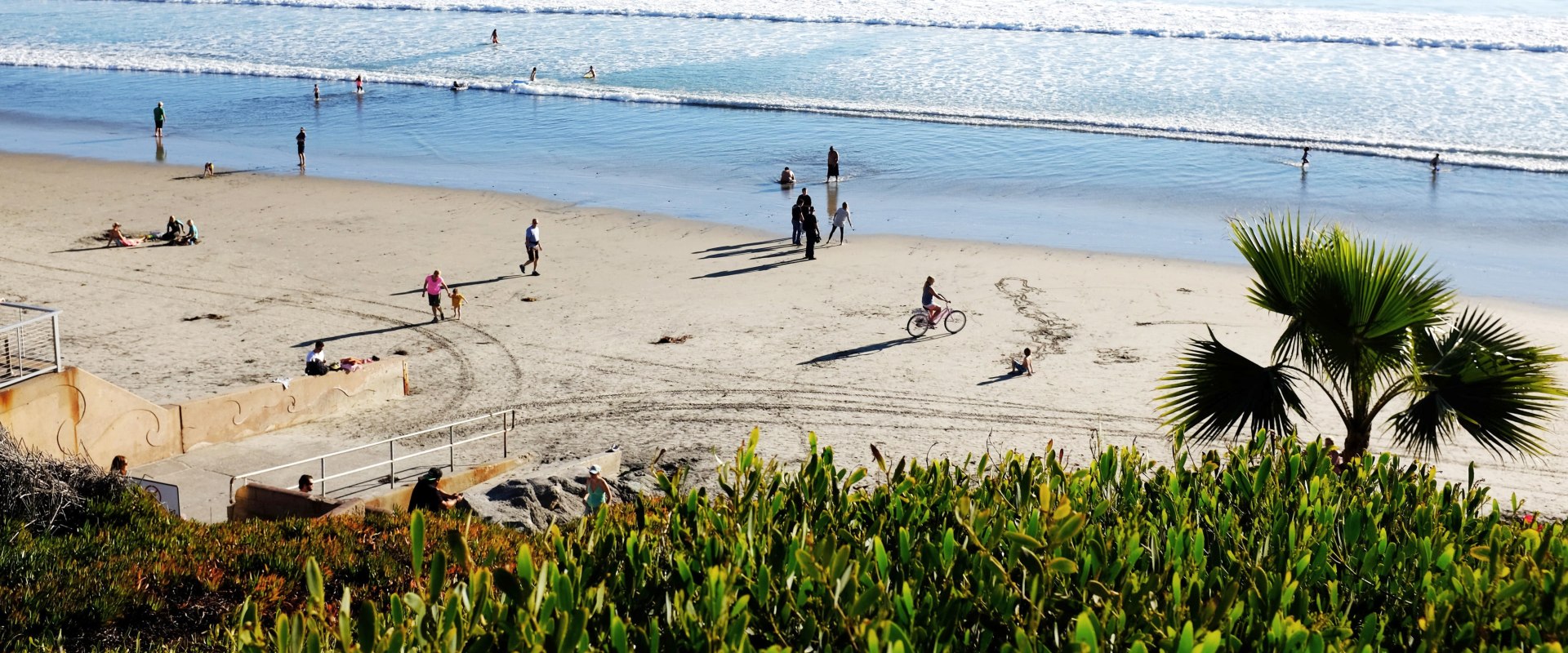
San Diego is renowned for its stunning coastline, attracting millions of visitors each year who flock to its beautiful beaches. From the vibrant atmosphere of Pacific Beach to the serene shores of Coronado, each beach offers a unique experience that caters to sunbathers, surfers, and families alike. However, understanding the accessibility and closure policies of these beaches is crucial for anyone planning a visit. With varying regulations and seasonal changes, knowing when and where you can enjoy the sun and surf can significantly enhance your beach experience.The allure of San Diego beaches extends beyond their picturesque views; they are also vital recreational spaces for both locals and tourists.
Yet, beach closures can occur due to various factors such as environmental conditions, safety concerns, or maintenance activities. For instance, certain beaches may close at dusk or during adverse weather conditions, which can impact your plans if you're not informed ahead of time. Therefore, it’s essential to stay updated on the current status of the beaches you wish to visit.In this article, we will delve into the specifics of beach closures in San Diego, exploring the reasons behind them and how they affect accessibility. We will also provide tips on how to check for real-time updates on beach conditions and closures, ensuring that your visit is both enjoyable and safe.
Whether you’re a first-time visitor or a seasoned beachgoer, understanding these aspects will help you make the most of your time in this coastal paradise.
Do San Diego Beaches Close? An Overview
When planning a visit to the stunning beaches of San Diego, understanding their operating hours and any potential closures is essential for a smooth experience. Generally, most public beaches in San Diego remain open year-round, allowing locals and tourists alike to enjoy the sun, surf, and sand. However, there are specific regulations and guidelines that dictate when these beaches are accessible.Beach Hours in San Diego
Typically, San Diego beaches are open from sunrise to sunset. This means that while you can enjoy the beach during daylight hours, access may be restricted after dark.
Lifeguard services also operate within these hours, ensuring safety for swimmers and surfers. It’s important to note that some beaches may have different hours based on the season or special events.
Specific Regulations Affecting Beach Access
- State Parks: Beaches located within state parks often close at dusk. For example, Torrey Pines State Beach and San Onofre State Beach have specific closing times that visitors should be aware of.
- Lifeguard Presence: Lifeguards typically announce when they are closing for the day. If you hear announcements over the loudspeakers, it’s advisable to exit the water promptly.
- Permits for Gatherings: Any social gathering of 50 or more people requires a permit from the San Diego Parks Recreation Department.
This regulation helps manage beach capacity and maintain safety.
- Environmental Conditions: Occasionally, beaches may close due to environmental factors such as pollution or dangerous surf conditions. The San Diego County Beach Water Quality website provides real-time updates on beach conditions and closures.
Conclusion
In summary, while most San Diego beaches are open from sunrise to sunset, various factors can influence access times. Always check local regulations and updates before heading out to ensure a safe and enjoyable beach experience.
Factors Influencing Beach Closures in San Diego
Understanding the factors that lead to beach closures in San Diego is essential for both locals and visitors. Several elements can influence whether a beach remains open or is temporarily closed, including weather conditions, safety regulations, and environmental concerns.Weather Conditions
Weather plays a significant role in determining beach accessibility.For instance, heavy rainfall can lead to increased runoff, which may cause water quality issues. When rain washes pollutants into the ocean, local authorities often close beaches to protect public health. Additionally, strong winds and high surf can create dangerous conditions for swimmers and surfers alike. Lifeguards monitor these conditions closely and may close beaches if they deem it unsafe for recreational activities.
Safety Regulations
San Diego's beaches are governed by strict safety regulations designed to protect visitors.Lifeguards are trained to assess conditions and enforce rules that ensure safety. For example, if a beach experiences a high number of rescues or incidents, lifeguards may decide to close it temporarily. Furthermore, certain areas may be designated as off-limits during specific times of the year due to wildlife nesting seasons or other ecological considerations.
Environmental Concerns
Environmental factors also play a crucial role in beach closures. Pollution from urban runoff, sewage spills, or harmful algal blooms can lead to temporary beach closures.The San Diego County Department of Environmental Health regularly tests water quality at local beaches and posts advisories when contamination levels exceed safe limits. This proactive approach helps ensure that visitors are informed about potential health risks.In summary, various factors influence beach closures in San Diego, including adverse weather conditions, safety regulations enforced by lifeguards, and environmental concerns related to water quality. Staying informed about these factors can enhance your beach experience and ensure your safety while enjoying the beautiful coastline of San Diego.
Seasonal Variations in Beach Access
San Diego's beaches are a major draw for both locals and tourists, but access to these beautiful coastal areas can vary significantly with the seasons. Understanding these seasonal variations is crucial for planning your beach outings, whether you're looking to soak up the sun in summer or enjoy a quieter winter experience.Summer Beach Hours
During the summer months, typically from late May through early September, San Diego's beaches experience an influx of visitors.
To accommodate the high volume of beachgoers, many beaches extend their hours. Lifeguard services are often available from early morning until dusk, which can be as late as 8 PM or 9 PM depending on the specific beach and time of year. This extended access allows families and friends to enjoy the beach well into the evening.Popular beaches like Mission Beach and Pacific Beach are particularly vibrant during this season, with lifeguards on duty ensuring safety while offering a variety of activities such as surfing, swimming, and beach volleyball. However, it’s important to note that some beaches may implement restrictions on bonfires or large gatherings during peak hours to maintain safety and cleanliness.
Winter Beach Closures
As the summer crowds dissipate, winter brings a different atmosphere to San Diego's beaches.
From late September through early May, some beaches may have reduced hours or even temporary closures due to weather conditions or maintenance work. While many beaches remain open year-round, lifeguard services may be limited during this off-peak season. For instance, lifeguards might only be present during daylight hours, which can mean earlier closing times.Additionally, winter storms can lead to temporary beach closures for safety reasons. High surf and strong currents can make swimming dangerous, prompting local authorities to close certain areas until conditions improve.
It’s advisable for visitors to check local advisories before heading out during these months.
Planning Your Visit
To ensure a smooth beach experience in San Diego throughout the year, it’s wise to stay informed about seasonal changes in beach access. Websites like the San Diego County Beach Water Quality page provide up-to-date information on beach conditions and any potential closures. Whether you’re planning a summer family outing or a peaceful winter retreat by the ocean, understanding these seasonal variations will help you make the most of your time at San Diego's stunning beaches.
Specific Beaches and Their Closure Policies
When planning a visit to the stunning beaches of San Diego, it's essential to be aware of the specific closure policies that govern each location. Different beaches have unique hours and regulations, which can affect your beach day experience.Coronado Beach
Coronado Beach is one of the most popular destinations in San Diego, known for its picturesque views and family-friendly atmosphere.The beach is open year-round, but access can vary depending on the time of day. Typically, lifeguard services are available from 9 AM to 5 PM, and it is advisable to leave the water when lifeguards conclude their shifts. Additionally, while the beach itself remains open, certain amenities such as restrooms and showers may close at dusk.
Pacific Beach
Pacific Beach is another favorite among locals and tourists alike. This vibrant beach area offers a lively atmosphere with plenty of activities.Lifeguards are on duty from 9 AM to 6 PM during the summer months, while hours may be reduced in the off-season. It's important to note that swimming is not recommended after dark due to safety concerns. The beach remains accessible for walking and enjoying the sunset, but swimming should be avoided once lifeguard services are no longer available.
Mission Beach
Mission Beach features a long stretch of sand perfect for sunbathing, volleyball, and water sports. Similar to Pacific Beach, lifeguards are present from 9 AM to 6 PM during peak season.After hours, the beach is open for visitors; however, swimming is discouraged due to potential hazards in low visibility conditions.
La Jolla Shores
La Jolla Shores is renowned for its scenic beauty and calm waters, making it ideal for families. Lifeguard services operate from 9 AM to 5 PM daily. While the beach itself does not close at night, it’s wise to heed any posted signs regarding safety and access during late hours.For real-time updates on beach conditions and closures due to weather or water quality issues, visitors can check the San Diego County Beach Water Quality website. This resource provides essential information that can help ensure a safe and enjoyable beach experience.Safety Guidelines for Beachgoers in San Diego
When visiting the beautiful beaches of San Diego, safety should always be a top priority.With its stunning coastline and inviting waters, it's essential to be aware of the potential hazards and guidelines that can help ensure a safe and enjoyable experience.
Understanding Lifeguard Services
San Diego's beaches are monitored by trained lifeguards who play a crucial role in maintaining safety. These professionals are equipped to handle emergencies, provide first aid, and offer guidance on safe swimming practices. Here are some key points regarding lifeguard services:
- Location of Lifeguard Towers: Lifeguard towers are strategically placed along the coastline. Always swim near these towers, as they provide immediate assistance in case of an emergency.
- Listening for Announcements: Lifeguards often use loudspeakers to communicate important information.
Pay attention to their announcements, especially regarding water conditions or potential dangers.
- Hours of Operation: Lifeguard services typically operate from morning until dusk. Be mindful of these hours, as swimming after lifeguards leave can increase risks.
Swimming Safety Tips
While the allure of the ocean is undeniable, it’s vital to follow specific swimming safety tips to protect yourself and your loved ones:
- Swim with a Buddy: Never swim alone. Having a companion not only enhances safety but also makes the experience more enjoyable.
- Be Aware of Water Conditions: Before entering the water, check for any posted signs regarding currents, tides, or water quality. Strong currents can pose significant risks.
- Know Your Limits: If you are not a strong swimmer, stay in shallow waters where you can easily stand.
Avoid venturing too far from the shore.
- Stay Hydrated and Protected: The sun can be intense at the beach. Drink plenty of water and apply sunscreen regularly to prevent dehydration and sunburn.
Emergency Preparedness
In case of an emergency, knowing how to react can save lives. Familiarize yourself with basic first aid procedures and always have a plan in place:
- Identify Emergency Exits: Know where the nearest lifeguard tower is located and how to reach it quickly in case of an emergency.
- Report Emergencies Promptly: If you witness someone in distress, alert a lifeguard immediately. They are trained to respond effectively.
How to Stay Updated on Beach Conditions and Closures
Staying informed about beach conditions and closures is essential for ensuring a safe and enjoyable experience at San Diego's beautiful coastline.With various factors affecting beach accessibility, including weather conditions, water quality, and local regulations, utilizing reliable resources can help you plan your visit effectively.One of the most comprehensive resources for checking beach conditions updates in San Diego is the San Diego County Beach Water Quality website. This site provides real-time information on water quality testing results, which are crucial for determining whether it is safe to swim. The site is updated regularly, ensuring that you have access to the latest data regarding any potential health risks due to pollution or harmful bacteria.In addition to water quality reports, the website also offers information on beach closures due to environmental factors such as high surf or dangerous currents. It’s advisable to check this resource before heading out, especially during the summer months when beaches can become crowded and conditions may change rapidly.Another valuable tool for beachgoers is the San Diego Lifeguard Services.
Their social media channels and official website often post updates about beach conditions, including any advisories or closures. Following them on platforms like Twitter or Facebook can provide you with timely alerts about changing conditions.For those who prefer a more interactive approach, consider downloading mobile apps that focus on beach conditions. Apps like Surfline and Waves not only provide surf reports but also include information on local beaches, including crowd sizes and safety alerts.Lastly, engaging with local community forums or social media groups dedicated to San Diego beaches can offer insights from fellow beachgoers. These platforms often share firsthand experiences regarding current conditions and any unexpected closures.By utilizing these resources, you can ensure that your visit to San Diego's beaches is both safe and enjoyable.
Always remember to check for updates before you go, as conditions can change quickly due to weather or environmental factors.
Frequently Asked Questions About San Diego Beaches
When planning a visit to the stunning beaches of San Diego, it's natural to have questions about access, closures, and safety. Here are some frequently asked questions that can help enhance your beach experience.Are San Diego beaches open year-round?
Yes, most beaches in San Diego are open year-round. However, specific areas may have seasonal restrictions or closures due to maintenance, environmental concerns, or special events. It's always a good idea to check local resources for the latest updates.What time do San Diego beaches close?
While many beaches remain accessible at all hours, certain beaches managed by the State Park system typically close at dusk.Lifeguard services also end around this time, so it’s advisable to exit the water before sunset for your safety.
How can I find out if a beach is closed?
To verify beach conditions and any potential closures, you can visit the San Diego County Beach Water Quality website. This site provides real-time updates on water quality and any advisories that may affect beach access.Are there any restrictions on gatherings at the beach?
Yes, gatherings of 50 or more people require a permit from the San Diego Parks and Recreation Department. This regulation helps ensure that everyone can enjoy the beach safely and comfortably.Can I bring my dog to the beach?
While dogs are allowed on some beaches in San Diego, they are prohibited on others, such as Torrey Pines State Beach and Torrey Pines State Nature Reserve. Always check local regulations regarding pets before your visit to avoid any surprises.What should I do if I encounter dangerous water conditions?
If you find yourself in the water and hear lifeguards making announcements, pay close attention.They may be warning about dangerous currents or advising swimmers to exit the water. Always prioritize your safety by following their instructions.By staying informed about these common inquiries, you can make the most of your time at San Diego's beautiful beaches while ensuring a safe and enjoyable experience for yourself and your family.
Conclusion: Enjoying the Beaches of San Diego Responsibly
As we conclude our exploration of the beaches in San Diego, it is essential to reflect on the key points discussed and emphasize the importance of enjoying these beautiful coastal areas responsibly. San Diego's beaches are not only a major attraction for locals and tourists alike but also a vital part of the region's ecosystem and community.Throughout this article, we have highlighted that while many beaches in San Diego remain open for enjoyment, certain areas do have specific closure times, particularly at dusk. This is primarily for safety reasons, as lifeguards need to ensure that all beachgoers are out of the water before nightfall.It is crucial to respect these guidelines to ensure your safety and that of others.Moreover, we discussed the significance of adhering to local regulations regarding beach activities. For instance, swimming and surfing should always be done in designated areas, preferably near lifeguard towers. These towers not only provide safety but also offer valuable information about current conditions and potential hazards. Always pay attention to lifeguard announcements, as they can provide critical updates about water quality and safety.In addition to safety measures, it is vital to consider the environmental impact of our beach activities.
Keeping our beaches clean by disposing of trash properly and respecting wildlife habitats contributes to the preservation of these natural treasures. Remember that some beaches have specific rules regarding pets, fires, and gatherings, which are designed to protect both visitors and the environment.As you plan your next visit to one of San Diego's stunning beaches, take a moment to appreciate the beauty around you while also being mindful of the regulations in place. By doing so, you not only enhance your own experience but also help maintain the integrity of these cherished locations for future generations.In summary, enjoying San Diego's beaches responsibly means being aware of closure policies, following safety guidelines, and respecting the environment. With this knowledge in hand, you can fully embrace all that San Diego's coastline has to offer while ensuring it remains a safe and beautiful destination for everyone.