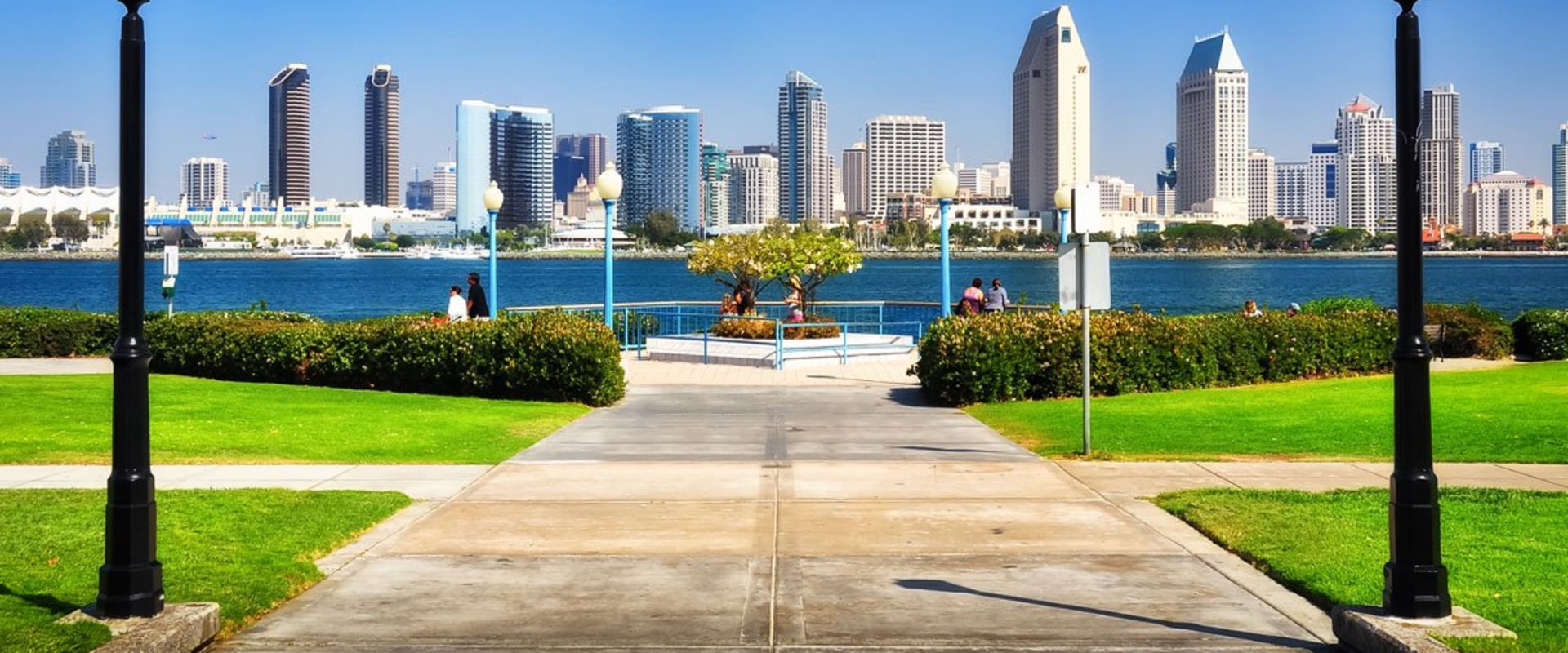
San Diego is often hailed as a paradise on the Pacific Coast, attracting visitors and new residents alike with its stunning beaches, year-round sunshine, and vibrant culture. However, beneath this picturesque facade lies a complex reality that many may overlook. While the city boasts numerous advantages, it also grapples with significant challenges that can impact the quality of life for its residents. Understanding these drawbacks is essential for anyone considering a move to this Southern California gem.One of the most pressing issues facing San Diego is its escalating cost of living.
The allure of coastal living comes at a price, and many newcomers are often unprepared for the financial burden that accompanies it. Housing costs have skyrocketed in recent years, making it increasingly difficult for families and individuals to find affordable accommodations. This situation is exacerbated by a competitive rental market, where demand far outstrips supply, leading to bidding wars and inflated prices.In addition to housing affordability, San Diego struggles with traffic congestion that plagues its roadways. As a car-centric city, residents often find themselves spending significant amounts of time in their vehicles, navigating through crowded streets during peak hours.
This not only adds stress to daily commutes but also contributes to environmental concerns as emissions from idling cars increase.Moreover, the city faces social challenges such as homelessness and public safety issues that can detract from its overall appeal. While San Diego is known for its beautiful landscapes and outdoor activities, the presence of homelessness in certain areas raises questions about community support and resources available for those in need. These factors can create a sense of unease for both residents and visitors alike.As we delve deeper into the various aspects of living in San Diego, it becomes clear that while the city offers many enticing features, it is crucial to weigh these against the potential drawbacks. By examining these issues closely, prospective residents can make informed decisions about whether San Diego truly aligns with their lifestyle and expectations.
Overcrowding and Its Impacts
San Diego, often celebrated for its stunning coastline and vibrant culture, faces significant challenges due to overcrowding.The city has experienced a substantial influx of both residents and tourists, leading to a population density that strains local resources and infrastructure. As of the latest census, San Diego's population exceeds 1.4 million, making it the second-largest city in California. This rapid growth has resulted in a myriad of urban living challenges that affect daily life.One of the most visible impacts of overcrowding is the congestion on roadways. Major thoroughfares such as Interstate 5 and Interstate 15 often experience heavy traffic, particularly during peak hours.
Commuters can find themselves stuck in gridlock for extended periods, which not only affects productivity but also contributes to increased stress levels among residents. According to a report from INRIX, San Diego ranks among the top cities in the U. S. for traffic congestion, with drivers spending an average of 102 hours per year in traffic.In addition to traffic woes, overcrowding has exacerbated issues related to housing affordability.
The demand for housing has skyrocketed, leading to rising rents and home prices. A recent study indicated that the median home price in San Diego is over $800,000, making it increasingly difficult for families and young professionals to find affordable living options. This situation has led many residents to seek housing further away from the city center, resulting in longer commutes and further contributing to traffic congestion.Public spaces are also feeling the strain of overcrowding. Popular areas such as Balboa Park and Mission Beach are often overcrowded, especially during weekends and holidays.
Visitors frequently encounter long lines and limited access to amenities, detracting from the overall experience. Local businesses in these areas may benefit from increased foot traffic; however, they also face challenges in managing customer flow during peak times.Moreover, the environmental impact of overcrowding cannot be overlooked. Increased population density leads to higher levels of pollution and waste generation. The city’s infrastructure struggles to keep pace with the growing demand for services such as waste management and public transportation.In summary, while San Diego offers a desirable lifestyle with its beautiful weather and recreational opportunities, the challenges posed by overcrowding significantly affect daily life.
From traffic congestion and housing affordability to strained public spaces and environmental concerns, these issues warrant serious consideration for anyone contemplating a move to this bustling city.
High Cost of Living and Taxes
Living in San Diego can be a dream for many, but the reality of the high cost of living often dampens that dream. The city is known for its stunning beaches, vibrant culture, and year-round pleasant weather, but these perks come at a price. One of the most significant financial challenges residents face is the exorbitant housing market.As of 2023, the median home price in San Diego hovers around $800,000, making it one of the most expensive cities in the United States to buy a home. For those looking to rent, the average monthly rent for a one-bedroom apartment can exceed $2,500 in desirable neighborhoods.This steep pricing can deter potential residents and create financial strain for current ones.In addition to housing costs, taxes in San Diego further complicate the financial landscape. California has one of the highest state income tax rates in the nation, with rates ranging from 1% to 13.3%, depending on income levels. This means that a significant portion of your earnings could be allocated to taxes, leaving less disposable income for other expenses.Moreover, sales tax in San Diego is currently set at 7.75%, which can add up quickly when purchasing everyday items. For families and individuals trying to budget their finances, these taxes can feel like an additional burden.The combination of high housing costs and elevated taxes creates a challenging environment for many residents.
It often leads to difficult choices regarding lifestyle and spending habits. Many locals find themselves working multiple jobs or commuting long distances to more affordable areas just to make ends meet.For those considering a move to San Diego, it’s essential to weigh these financial challenges against the benefits of living in such a beautiful city. While the allure of sunny beaches and a vibrant community is strong, understanding the economic realities is crucial for making an informed decision.
Traffic Congestion and Transportation Issues
San Diego, known for its stunning beaches and vibrant culture, faces significant traffic congestion that can be a major drawback for residents and visitors alike. The city's layout, combined with a growing population, has led to increasingly congested roads, particularly during peak commuting hours.This congestion not only affects travel times but also contributes to a frustrating daily experience for many.One of the primary reasons for the traffic issues in San Diego is its car-centric infrastructure. While the city offers some public transportation options, such as buses and the trolley system, these services often fall short of meeting the needs of commuters. Many residents find themselves relying heavily on their vehicles to navigate the sprawling urban landscape. This reliance on cars exacerbates traffic problems, creating a cycle that is difficult to break.Moreover, the city's roadways are often plagued by bottlenecks and poorly timed traffic signals, which can lead to frustrating delays.
Areas like Interstate 5 and Interstate 15 are notorious for their gridlock, especially during rush hour. Commuters traveling from suburban areas into downtown San Diego frequently report spending excessive amounts of time in their cars, which can lead to increased stress and decreased quality of life.In addition to the challenges posed by traffic congestion, public transportation in San Diego has its own set of limitations. While there are efforts to improve the system, many residents feel that it lacks coverage and frequency. For instance, bus routes may not adequately connect neighborhoods with major employment centers, making it difficult for individuals without access to a car to commute effectively.Furthermore, the city's geography presents unique challenges for transportation.
With hills and coastal areas limiting expansion options, creating new roadways or enhancing public transit routes can be complicated and costly. As a result, many residents find themselves stuck in traffic or facing long commutes.To mitigate these issues, some San Diegans have turned to alternative modes of transportation such as biking or carpooling. The city has made strides in developing bike lanes and promoting rideshare programs; however, these solutions are still in their infancy compared to the overall demand for efficient transportation options.In conclusion, while San Diego offers a beautiful environment and numerous attractions, its traffic problems and transportation challenges can significantly impact daily life. As the city continues to grow, addressing these issues will be crucial for improving the overall quality of life for its residents.
Homelessness Crisis in San Diego
The issue of homelessness in San Diego has reached critical levels, presenting a complex challenge that affects not only those experiencing homelessness but also the broader community.With a population exceeding 1.4 million, the city has seen a significant rise in homelessness, driven by various factors including high housing costs, mental health issues, and substance abuse. According to recent reports, the number of homeless individuals in San Diego has surged, making it one of the cities with the highest rates of homelessness in the United States.One of the primary causes of this crisis is the soaring cost of living. San Diego is known for its beautiful weather and stunning coastline, but these attractions come at a price. The average rent for a one-bedroom apartment can exceed $2,500, pushing many low-income residents out of stable housing.
As affordable housing options dwindle, more individuals find themselves living on the streets or in temporary shelters.Moreover, mental health and addiction issues play a significant role in the homelessness crisis. Many individuals facing these challenges lack access to necessary resources and support systems. The stigma surrounding mental health often prevents people from seeking help, exacerbating their situation and making it difficult for them to reintegrate into society.The impact of homelessness on the community is profound. Residents often express concerns about safety and cleanliness in areas heavily populated by homeless individuals.
Public spaces such as parks and sidewalks can become less accessible due to encampments, leading to tensions between homeless individuals and local residents. This situation creates a cycle of misunderstanding and fear that complicates efforts to address the issue.Despite these challenges, there are potential solutions that could alleviate the crisis. Community organizations and local government initiatives are working towards providing more affordable housing options and increasing access to mental health services. Programs aimed at job training and rehabilitation can also help individuals transition out of homelessness.Public perception plays a crucial role in shaping responses to homelessness.
While many residents are sympathetic to the plight of those without homes, there is also frustration regarding the visible presence of homelessness in everyday life. It is essential for community members to engage in constructive dialogue about how to address these issues collaboratively.In conclusion, the homelessness crisis in San Diego is a multifaceted problem that requires comprehensive solutions involving housing policy reform, mental health support, and community engagement. By addressing these underlying issues, San Diego can work towards creating a more inclusive environment for all its residents.
Environmental Concerns and Natural Disasters
San Diego, while often celebrated for its stunning beaches and temperate climate, faces significant environmental challenges that can impact both residents' quality of life and property values. Understanding these issues is crucial for anyone considering a move to this vibrant city.One of the most pressing concerns is the risk of wildfires.The region's Mediterranean climate, characterized by hot, dry summers and mild, wet winters, creates ideal conditions for wildfires, particularly in the late summer and fall months. Areas such as East County and the Cuyamaca Mountains are particularly vulnerable. The devastating fires of recent years have not only destroyed homes but have also led to increased insurance premiums and a heightened sense of insecurity among residents.In addition to wildfires, San Diego grapples with drought. As a coastal city, it relies heavily on imported water from sources like the Colorado River and Northern California.
Prolonged periods of drought can strain these resources, leading to water restrictions that affect daily life. Residents may find themselves limited in their ability to maintain gardens or lawns, which can diminish property aesthetics and value.
Pollution
is another significant issue facing San Diego. Despite its picturesque setting, urban areas experience air quality problems due to vehicle emissions and industrial activities. The proximity to the U.
S.-Mexico border also raises concerns about cross-border pollution affecting local air and water quality. This can lead to health issues for residents, particularly those with respiratory conditions.The city is also susceptible to climate change , which exacerbates existing environmental issues. Rising sea levels threaten coastal properties, while increased temperatures can lead to more frequent heatwaves. These changes not only pose risks to public health but also challenge local infrastructure and emergency services.In summary, while San Diego offers many attractive features, potential residents should carefully consider these environmental concerns.
The risks associated with wildfires, droughts, pollution, and climate change can significantly affect both lifestyle and property values in this beautiful yet vulnerable city.
Cultural and Social Dynamics
San Diego, often celebrated for its stunning beaches and vibrant lifestyle, also grapples with a range of cultural and social dynamics that can be perceived as problematic. While the city boasts a rich tapestry of cultures, the challenges of community engagement and inclusivity are significant issues that affect many residents.One of the most pressing concerns is the disparity in community engagement. San Diego is home to diverse neighborhoods, each with its unique cultural identity. However, this diversity can sometimes lead to fragmentation rather than unity.Many residents feel disconnected from local governance and community initiatives, which can foster a sense of alienation. This disconnect is particularly evident in areas with high immigrant populations, where language barriers and cultural differences may hinder participation in community events or local decision-making processes.Moreover, the social dynamics within San Diego can be challenging. The city has a reputation for being laid-back and friendly, yet beneath this surface lies a complex social fabric that can be exclusive. Certain neighborhoods are perceived as more desirable, leading to a sense of elitism that can alienate those from less affluent backgrounds.
This division is often exacerbated by socioeconomic factors, where wealthier areas enjoy better resources and opportunities compared to their less affluent counterparts.Additionally, issues surrounding homelessness and public safety further complicate the social landscape. The visible presence of homelessness in certain areas can create tension among residents and visitors alike. While many San Diegans advocate for compassion and support for those experiencing homelessness, there is also a palpable frustration regarding the lack of effective solutions. This ongoing crisis not only affects the individuals directly involved but also impacts community morale and cohesion.To address these challenges, it is crucial for San Diego to foster a culture of inclusivity and active participation.
Initiatives aimed at bridging gaps between different communities can help create a more unified city. Programs that encourage dialogue among diverse groups, promote cultural exchange, and provide platforms for underrepresented voices are essential in building a stronger social fabric.In conclusion, while San Diego offers many advantages as a place to live and visit, its cultural and social dynamics present challenges that cannot be overlooked. By acknowledging these issues and working towards greater inclusivity and community engagement, San Diego can enhance its reputation as not just a beautiful city but also a truly welcoming one.
Conclusion: Weighing the Pros and Cons of Living in San Diego
As we draw our exploration of San Diego to a close, it’s essential to reflect on the myriad factors that contribute to the overall experience of living in this vibrant city. While San Diego is often celebrated for its stunning beaches, year-round pleasant weather, and rich cultural scene, it is equally important to acknowledge the challenges that come with residing in such a popular locale.Pros of Living in San Diego
- Beautiful Climate: The temperate climate allows for outdoor activities year-round, making it an ideal location for those who enjoy an active lifestyle.
- Access to Nature: With numerous parks, beaches, and hiking trails, residents can easily immerse themselves in nature.
- Cultural Diversity: San Diego boasts a rich tapestry of cultures, reflected in its food, festivals, and community events.
- Thriving Economy: The job market is robust, particularly in sectors like technology, healthcare, and tourism.
Cons of Living in San Diego
- High Cost of Living: The cost of housing and general expenses can be significantly higher than the national average.
- Traffic Congestion: As a car-centric city, residents often face frustrating traffic conditions during peak hours.
- Homelessness Issues: The visible homelessness crisis can be disheartening and raises concerns about social services and community support.
- Overcrowding: Popular tourist destinations can become overcrowded, especially during peak seasons, detracting from the local experience.
The high cost of living and traffic issues are critical factors that could impact one’s quality of life. Ultimately, whether you view San Diego as a paradise or a challenging urban environment depends on your personal priorities and lifestyle preferences.As you consider your options for relocation or travel, take the time to reflect on what aspects of life in San Diego resonate most with you. By balancing the pros and cons outlined here, you can make a more informed decision about whether this coastal city aligns with your vision for your future.