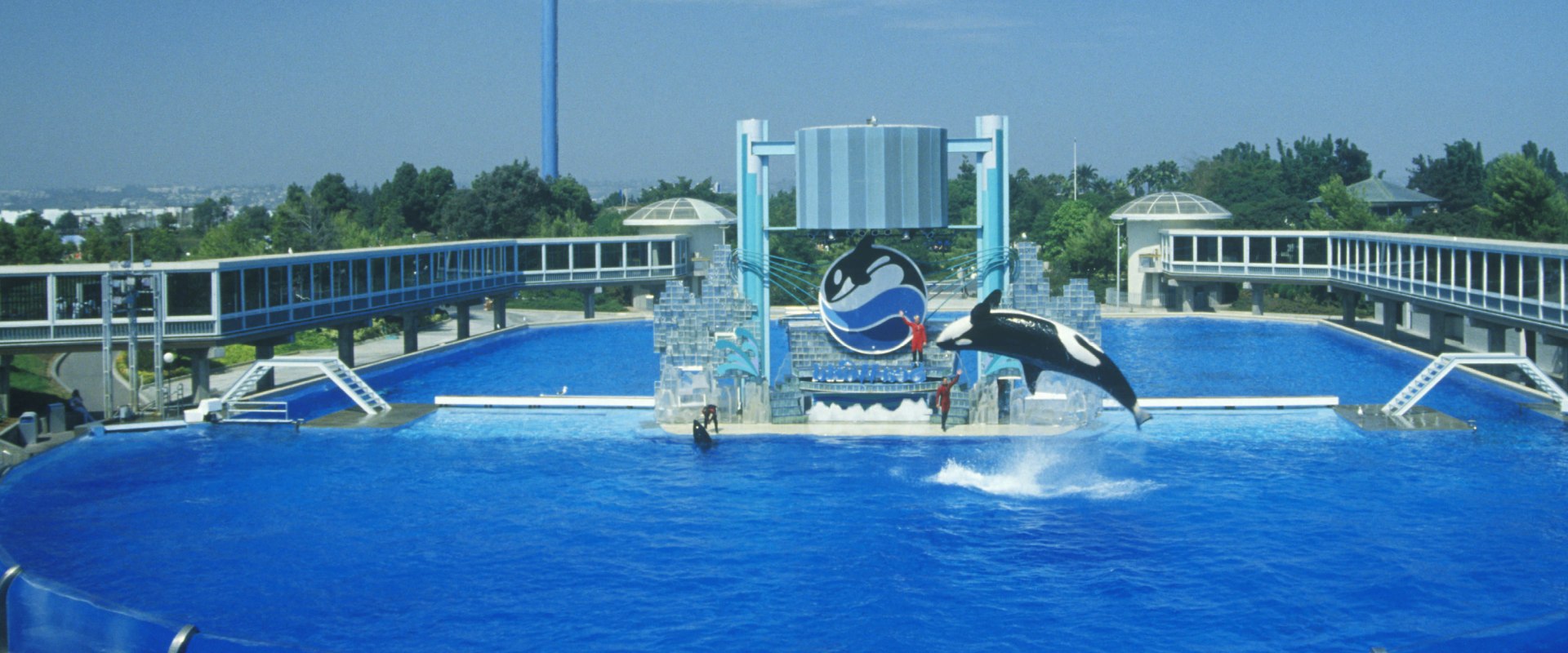
SeaWorld San Diego, a beloved marine park and entertainment destination, has faced significant challenges in recent years, culminating in its temporary closure. This closure has raised numerous questions among visitors and fans alike, particularly regarding the underlying reasons and the broader implications for the park's future. As we delve into the circumstances surrounding this closure, it becomes essential to understand not only the immediate factors at play but also the long-term effects of the COVID-19 pandemic on the park's operations.The impact of COVID-19 on theme parks across the globe has been profound, and SeaWorld San Diego is no exception. Initially forced to shut its doors due to health and safety regulations, the park has struggled to navigate a landscape marked by fluctuating restrictions and evolving public health guidelines.
These challenges have not only affected visitor attendance but have also led to operational difficulties, including technical issues that have prompted further closures of attractions and exhibits.Moreover, the closure of SeaWorld San Diego serves as a poignant reminder of the delicate balance between providing entertainment and ensuring the welfare of both guests and marine life. As we explore the reasons behind this closure, we will uncover how SeaWorld is addressing these challenges while striving to maintain its commitment to conservation and education. Understanding these dynamics is crucial for anyone interested in the future of this iconic marine park and its role within the San Diego community.
Historical Context of SeaWorld San Diego
SeaWorld San Diego, a cornerstone of marine entertainment and education, has a rich history that dates back to its opening in 1964. Originally conceived as a marine zoological park, it was the brainchild of four graduates from the University of California, Los Angeles (UCLA) who aimed to create a unique experience that combined marine life with entertainment.In its early years, SeaWorld San Diego focused on showcasing marine animals through live shows and exhibits. The park's first major attraction was the Shamu show, which featured killer whales performing tricks and interacting with trainers.This show not only captivated audiences but also set the standard for marine parks worldwide.Throughout the 1970s and 1980s, SeaWorld expanded significantly. The introduction of new attractions such as the Sea Lion & Otter Show and various thrill rides helped diversify the park's offerings. In 1989, SeaWorld San Diego became the first park to open a roller coaster themed around marine life, further enhancing its appeal to thrill-seekers.The 1990s marked a turning point for SeaWorld as it began to focus more on conservation and education. The establishment of the SeaWorld Conservation Fund in 2003 highlighted the park's commitment to protecting marine wildlife and their habitats.
This shift was accompanied by new educational programs aimed at raising awareness about ocean conservation among visitors.In recent years, SeaWorld San Diego has faced challenges, including public scrutiny over animal welfare practices and changing consumer preferences. Despite these hurdles, the park has continued to adapt by introducing new attractions and experiences that emphasize animal care and conservation efforts.Today, SeaWorld San Diego stands as a testament to over five decades of evolution in marine entertainment. With ongoing renovations and new exhibits planned for the future, it remains dedicated to providing guests with unforgettable experiences while promoting awareness of marine conservation.
The Impact of COVID-19 on Theme Parks
The COVID-19 pandemic has had a profound impact on various sectors, with theme parks being among the hardest hit. As public spaces designed for entertainment and social interaction, these parks faced unprecedented challenges that forced them to adapt quickly to a new reality.SeaWorld San Diego, a prominent player in the theme park industry, experienced significant disruptions due to the pandemic, which not only affected its operations but also its long-term viability.Initially, when the pandemic struck in early 2020, SeaWorld San Diego was compelled to close its doors to the public in compliance with state and local health guidelines. This closure lasted for several months, during which time the park incurred substantial financial losses. The absence of visitors meant a complete halt in revenue generation, which is critical for maintaining operations, staff salaries, and animal care.As restrictions began to ease, SeaWorld San Diego reopened its gates; however, the experience was far from normal. The park implemented strict health protocols, including capacity limits, social distancing measures, and enhanced sanitation practices.
Attractions that typically drew large crowds remained closed or operated at reduced capacity, further impacting the guest experience and revenue.Moreover, the pandemic prompted SeaWorld to reevaluate its operational strategies. With ongoing uncertainty regarding public health guidelines and visitor confidence, the park faced challenges in planning future attractions and events. The need for technical upgrades and maintenance on existing rides became more pressing as the park sought to ensure safety while enhancing guest experiences.In addition to operational challenges, SeaWorld San Diego also had to navigate changes in consumer behavior. Many families were hesitant to visit crowded places during the pandemic, leading to a shift in how theme parks attract visitors.
The emphasis on outdoor experiences and animal interactions became more pronounced as guests sought safer alternatives.Ultimately, while SeaWorld San Diego has made strides in reopening and adapting to new health guidelines, the long-term effects of COVID-19 on theme parks remain uncertain. The industry as a whole is still grappling with recovery as it seeks to regain visitor trust and adapt to a post-pandemic world.
Reasons Behind the Closure of SeaWorld San Diego
The closure of SeaWorld San Diego has been attributed to a combination of technical problems and operational challenges that have emerged over the years. Understanding these factors provides insight into the complexities faced by the park and its management.One of the primary reasons for the recent closure was the need to address various technical issues affecting park attractions. These problems can range from mechanical failures in rides to necessary upgrades in animal habitats.For instance, after the introduction of new attractions, such as the Ocean Explorer, SeaWorld faced unexpected operational hurdles that required extensive maintenance and adjustments. Such technical difficulties not only disrupt the guest experience but also necessitate a temporary shutdown to ensure safety and compliance with industry standards.Moreover, SeaWorld San Diego has been navigating through a challenging operational landscape, particularly in light of the ongoing impacts of the COVID-19 pandemic. The park had to implement strict health and safety protocols, which included capacity limits and social distancing measures. These regulations significantly affected attendance rates and revenue generation, leading to financial strain that further complicated operational decisions.In addition to external pressures, internal management changes have also played a role in the park's operational challenges.
The resignation of key executives, including those responsible for design and experience management, has created a leadership vacuum that can hinder strategic planning and execution. This instability can lead to delays in project rollouts and maintenance schedules, contributing to the need for closures.Furthermore, SeaWorld's commitment to animal welfare means that any concerns regarding the health or well-being of its marine life can prompt immediate action. This dedication often results in temporary closures for habitat improvements or veterinary care, ensuring that all animals are kept in optimal conditions.In summary, the closure of SeaWorld San Diego is not merely a result of one isolated issue but rather a confluence of technical problems, operational challenges, and management dynamics. As the park continues to adapt to these complexities, it remains focused on providing a safe and engaging environment for both guests and animals alike.
Technical Problems and Maintenance Issues
SeaWorld San Diego, like many theme parks, faces a variety of technical problems and maintenance issues that can lead to temporary closures of attractions.These challenges are not uncommon in the amusement park industry, where rides and exhibits require regular upkeep to ensure both safety and an enjoyable experience for guests.One of the primary reasons for ride closures at SeaWorld is the need for routine maintenance. This includes inspections, repairs, and upgrades to ensure that all attractions meet safety standards. For instance, roller coasters and water rides undergo thorough checks to identify any wear and tear that could pose risks to riders. Such maintenance is crucial not only for the safety of guests but also for the longevity of the rides themselves.In addition to routine maintenance, SeaWorld has occasionally encountered unexpected technical problems.
These issues can arise from various factors, including mechanical failures or software glitches that affect ride operations. For example, a malfunctioning ride system may require immediate attention, leading to temporary closures until the problem is resolved. While these situations can be frustrating for visitors eager to experience the attractions, they are essential for maintaining a safe environment.Moreover, SeaWorld San Diego has been proactive in addressing these challenges by investing in upgrades and enhancements. The park often announces planned closures ahead of time to allow for necessary improvements.
This transparency helps manage guest expectations and emphasizes SeaWorld's commitment to providing a safe and enjoyable experience.Another aspect of maintenance at SeaWorld involves the care of its animal exhibits. The park regularly updates habitats to ensure they are suitable for the animals' well-being. This can involve significant renovations that may temporarily close certain areas of the park. Such efforts reflect SeaWorld's dedication not only to guest safety but also to animal welfare.In conclusion, while technical problems and maintenance issues can lead to temporary ride closures at SeaWorld San Diego, these measures are vital for ensuring safety and enhancing the overall guest experience.
By prioritizing maintenance and addressing technical challenges promptly, SeaWorld continues to uphold its reputation as a premier destination for family entertainment.
Management Changes and Their Effects
In recent years, SeaWorld San Diego has experienced significant shifts in its management team, which have had profound implications for the park's operations and overall visitor experience. These changes have not only affected the strategic direction of the park but have also contributed to operational challenges that have led to temporary closures.One of the most notable events was the resignation of CEO Gus Antorcha , which occurred in March 2021. His departure marked a pivotal moment for SeaWorld, as he had been instrumental in navigating the park through the tumultuous waters of the COVID-19 pandemic. Following his exit, two other key executives, Anthony Esparza , the creative director, and Brian Morrow , vice president of theme park experience design, also stepped down. This wave of resignations raised concerns about the stability and vision of SeaWorld San Diego's leadership.The impact of these leadership changes cannot be understated.With a new management team often comes a shift in priorities and operational focus. For instance, under Antorcha's leadership, there was a strong emphasis on enhancing guest experiences and expanding animal welfare initiatives. However, with new executives at the helm, there may be a divergence from these goals, leading to confusion among staff and visitors alike.Moreover, the lack of continuity in leadership can result in operational inefficiencies. For example, during transitions between management teams, critical decisions regarding maintenance schedules and attraction upgrades may be delayed or poorly communicated.
This can lead to attractions being closed unexpectedly or not operating at full capacity, which directly affects visitor satisfaction.Additionally, the uncertainty surrounding management changes can impact employee morale. Staff members may feel unsettled by frequent leadership shifts, leading to decreased productivity and engagement. This is particularly concerning in an environment like SeaWorld San Diego, where teamwork is essential for delivering memorable guest experiences.In conclusion, the recent management changes at SeaWorld San Diego have created a ripple effect throughout the organization. The resignations of key executives have not only altered the strategic direction of the park but have also contributed to operational difficulties that have resulted in closures and reduced guest satisfaction.
As SeaWorld navigates these challenges, it will be crucial for new leadership to establish a clear vision and restore stability within the organization.
Public Perception and Reactions to Closures
The recent closures at SeaWorld San Diego have sparked a wide range of reactions from the public, reflecting a complex mix of emotions and opinions. As the park navigated through technical difficulties and health-related restrictions, visitors expressed their sentiments through various channels, particularly on social media platforms.Many guests who have cherished memories at SeaWorld voiced their disappointment over the closures. Social media became a hotbed for discussions, with hashtags like #SaveSeaWorld trending as supporters rallied to express their love for the park. Posts often included nostalgic photos and stories, highlighting personal experiences that made SeaWorld a beloved destination for families.On the other hand, some visitors raised concerns about the park's operational decisions.Criticism emerged regarding the lack of transparency from SeaWorld officials about the reasons behind the closures. Many felt that clearer communication could have alleviated some of the public's anxiety and confusion. Visitor sentiment was further complicated by ongoing debates about animal welfare and the ethical implications of marine parks.In addition to individual reactions, local news outlets played a significant role in shaping public perception. Coverage of SeaWorld's challenges often included expert opinions on the future of marine entertainment parks, which influenced how potential visitors viewed their next trip.
Some articles highlighted the importance of supporting local attractions during tough times, while others questioned whether SeaWorld could adapt to changing societal values regarding animal captivity.As discussions continued online, many users called for a reevaluation of SeaWorld's practices and its commitment to conservation efforts. This sentiment reflects a broader trend among consumers who increasingly prioritize ethical considerations when choosing entertainment options.Ultimately, the public's reaction to SeaWorld San Diego's closures illustrates a dynamic interplay between nostalgia, concern for animal welfare, and a desire for transparency. As the park works to address these challenges, understanding visitor sentiment will be crucial in rebuilding trust and ensuring a positive experience for future guests.
Future Prospects for SeaWorld San Diego
The future of SeaWorld San Diego is a topic of significant interest, especially in light of recent challenges faced by the park. As the world gradually emerges from the pandemic, SeaWorld is actively exploring strategies to ensure a successful reopening and long-term sustainability.One of the primary focuses for SeaWorld San Diego is enhancing visitor experience while prioritizing safety.The park has already implemented various health protocols, including social distancing measures and enhanced sanitation practices. These efforts are crucial not only for compliance with health guidelines but also for rebuilding trust with guests who may be hesitant to return to crowded spaces.In terms of reopening plans, SeaWorld has expressed intentions to gradually resume operations as restrictions ease. This phased approach allows the park to monitor visitor feedback and adjust its offerings accordingly. For instance, certain attractions may reopen first, followed by others as the situation stabilizes.
This strategy not only helps manage crowd sizes but also allows for a more controlled environment where safety can be prioritized.Moreover, SeaWorld is likely to invest in new attractions and experiences that align with evolving consumer preferences. The trend towards immersive and educational experiences is growing, and SeaWorld can leverage its unique position as a marine life park to offer programs that emphasize conservation and animal welfare. By focusing on these aspects, SeaWorld can attract a broader audience, including families looking for educational outings.Long-term sustainability is another critical consideration for SeaWorld San Diego. The theme park industry has faced unprecedented challenges due to the pandemic, prompting many operators to rethink their business models.
SeaWorld may explore partnerships with conservation organizations to enhance its credibility and commitment to wildlife protection. Such collaborations could lead to innovative programs that engage visitors while promoting environmental stewardship.Additionally, embracing technology will be essential for SeaWorld's future. Implementing mobile apps for ticketing, virtual tours, and interactive exhibits can enhance guest experiences while streamlining operations. These technological advancements not only improve efficiency but also cater to a tech-savvy audience that values convenience.In conclusion, the future prospects for SeaWorld San Diego hinge on its ability to adapt to changing circumstances while maintaining its core mission of education and conservation.
By focusing on safety, enhancing visitor experiences, investing in new attractions, and embracing technology, SeaWorld can position itself for a successful reopening and sustainable growth in the years ahead.
Conclusion: The Road Ahead for SeaWorld San Diego
As we reflect on the recent challenges faced by SeaWorld San Diego, it becomes clear that the park is at a pivotal moment in its history. The closure due to COVID-19 restrictions and subsequent operational difficulties have raised questions about the future of this iconic marine park. However, there are several key points to consider as we look ahead.First and foremost, SeaWorld San Diego has demonstrated resilience in the face of adversity. The park's ability to reopen after a two-month closure shows a commitment to safety and guest experience.While some attractions remain closed for technical upgrades, the park continues to offer unique behind-the-scenes tours that allow visitors to engage with marine life in meaningful ways.Moreover, the recent leadership changes within SeaWorld indicate a potential shift in strategy. With new executives stepping in, there is an opportunity for fresh ideas and innovative approaches to enhance the park's offerings. This could lead to exciting new attractions and experiences that align with evolving guest expectations.Additionally, as San Diego progresses through various COVID-19 tiers, there is hope for a gradual return to normalcy. The anticipated reopening of indoor aquariums and other attractions will not only boost visitor numbers but also reinvigorate the local economy, which has been significantly impacted by the pandemic.Looking further into the future, SeaWorld San Diego must continue to adapt to changing consumer preferences and environmental concerns.
Emphasizing conservation efforts and animal welfare will be crucial in maintaining public trust and support. By focusing on education and awareness, SeaWorld can position itself as a leader in marine conservation while providing guests with unforgettable experiences.In conclusion, while SeaWorld San Diego faces challenges ahead, there is also a wealth of opportunity. By embracing change, prioritizing safety, and enhancing guest experiences, the park can navigate this transitional period successfully. The road ahead may be uncertain, but with strategic planning and community support, SeaWorld San Diego can emerge stronger than ever.